How Women Entrepreneurs Are Redefining Success Through the GROW Project.
Economic empowerment is about more than increasing income. It is about transforming mindsets, challenging harmful social norms, strengthening families, and enabling women to make decisions that improve their lives and those of future generations.
When many people think about entrepreneurship, they often think about profits, markets, and financial capital. For thousands of women across Uganda, however, entrepreneurship represents something much deeper, it is a pathway to confidence, dignity, independence, and hope. Yet many women entrepreneurs continue to face challenges that extend beyond access to finance. Unequal household responsibilities, discriminatory inheritance practices, genderbased violence, limited business skills, and restrictive social norms often prevent women from reaching their full economic potential.
Through the Generating Growth Opportunities and Productivity for Women Enterprises (GROW) Project, implemented in partnership with the Ministry of Gender, Labour and Social Development and other stakeholders, UWONET is working to change this reality. This quarter, the project demonstrated that empowering women economically also requires transforming the beliefs, attitudes, and systems that shape their everyday lives.
Changing Mindsets
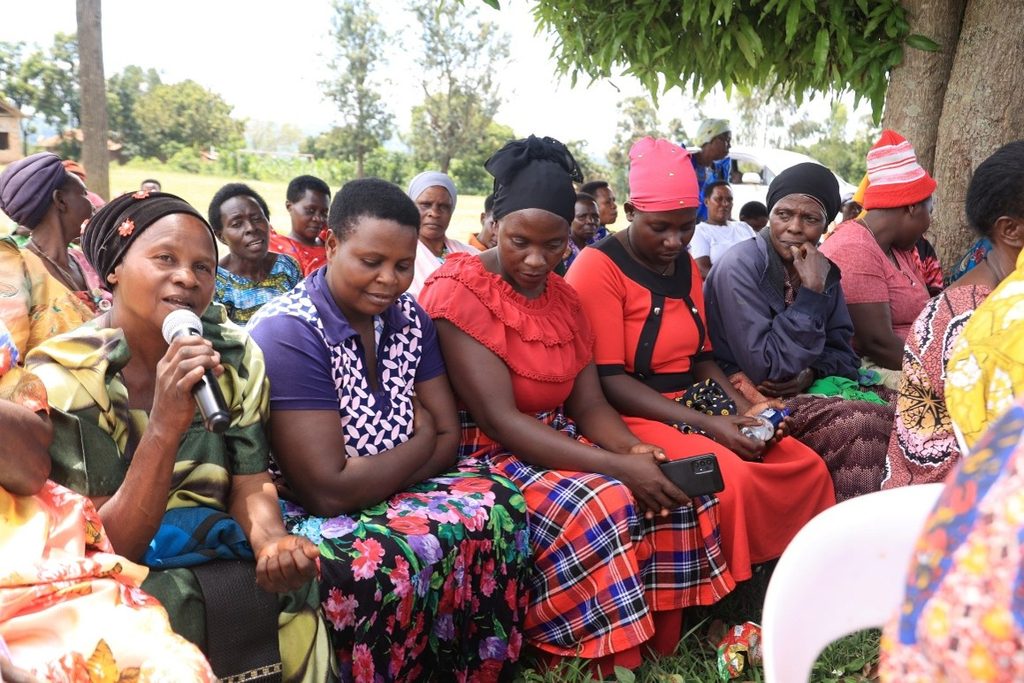
Across project districts, women entrepreneurs participated in transformative learning sessions that combined business development with discussions on gender equality, legal rights, positive social norms, financial management, and leadership. The conversations challenged long-held beliefs about the roles of women and men within households, businesses, and communities. Participants reflected on: Who makes financial decisions within the household, Why should women own and control productive assets, How do harmful gender norms affect business growth, What role can men play in supporting women’s economic success.
Building Stronger Enterprises
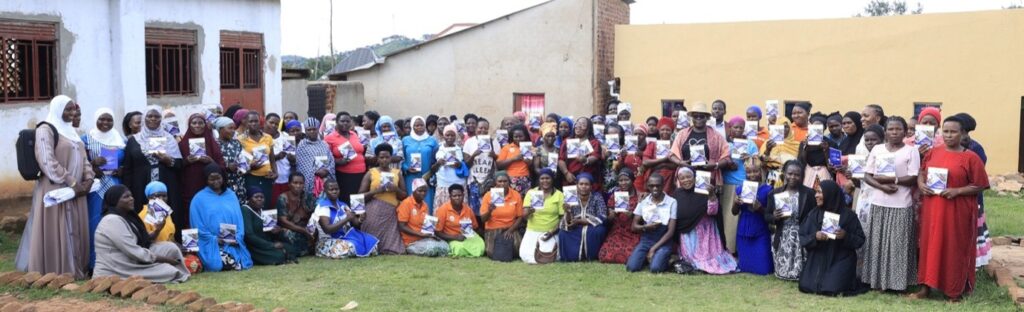
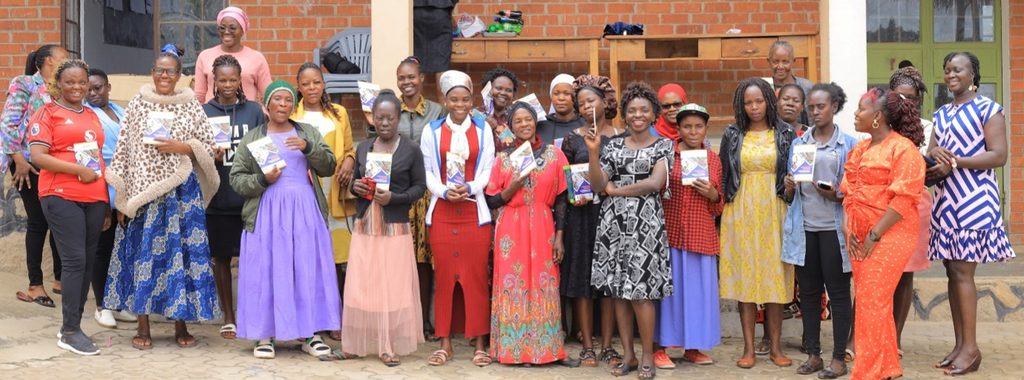
2,930 Women strengthened their knowledge of business planning, financial management, record keeping, marketing, value addition, legal rights, leadership, decision-making, prevention of GBV and discrimination and business planning and management.
Changing Homes, Changing Communities
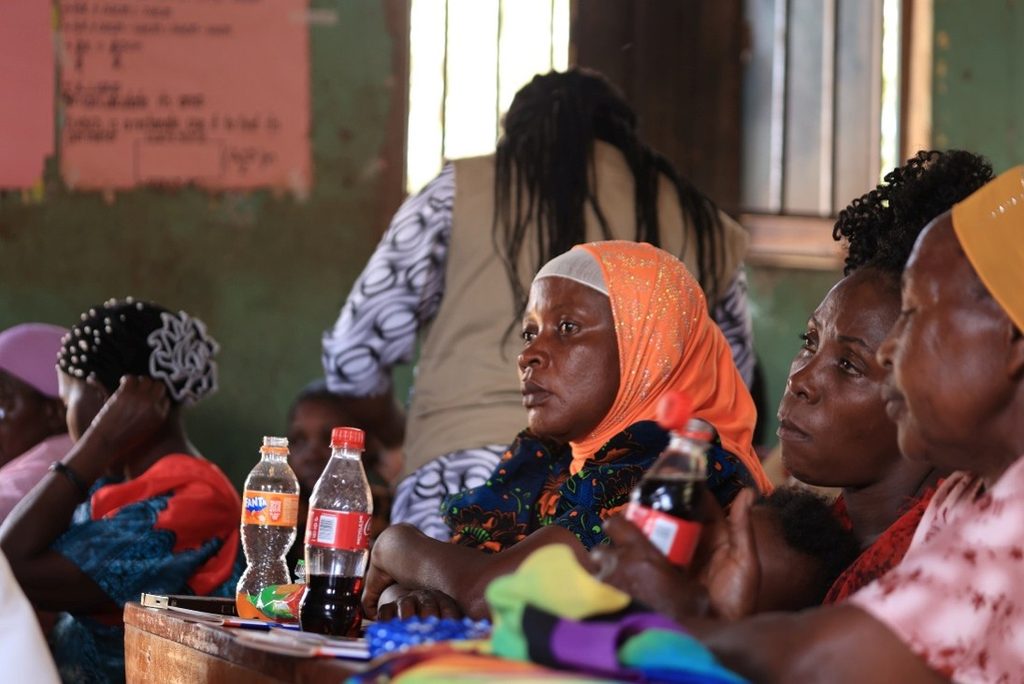
Perhaps the most significant transformation occurred beyond the marketplace. As women gained confidence and economic independence, many reported positive changes within their households and communities. Participants described stronger communication with spouses, greater involvement in household decision-making, and increased recognition of women’s contributions to family income. Some reported that husbands begun sharing domestic responsibilities, allowing women more time to grow their businesses. Others described becoming role models within their communities, encouraging fellow women to start enterprises, save collectively, and challenge harmful stereotypes. Economic empowerment is no longer viewed simply as earning an income, it became a catalyst for social transformation.
Media Conversations around the GROW Project

UWONET took the conversation to the airwaves of Radio Buddu 98 FM and Kiboga FM, engaging communities on the need to transform social norms, attitudes and practices that affect women entrepreneurs. The dialogue, held under the GROW Project, highlighted how harmful norms can limit women’s agency, enterprise growth and productivity. Through continued advocacy and community engagement, UWONET is challenging these barriers and supporting women to build stronger, more productive enterprises. When women grow, economies grow and transforming harmful norms unlocks greater opportunity and possibility for all.