Turning Invisible Work into a National Development Conversation
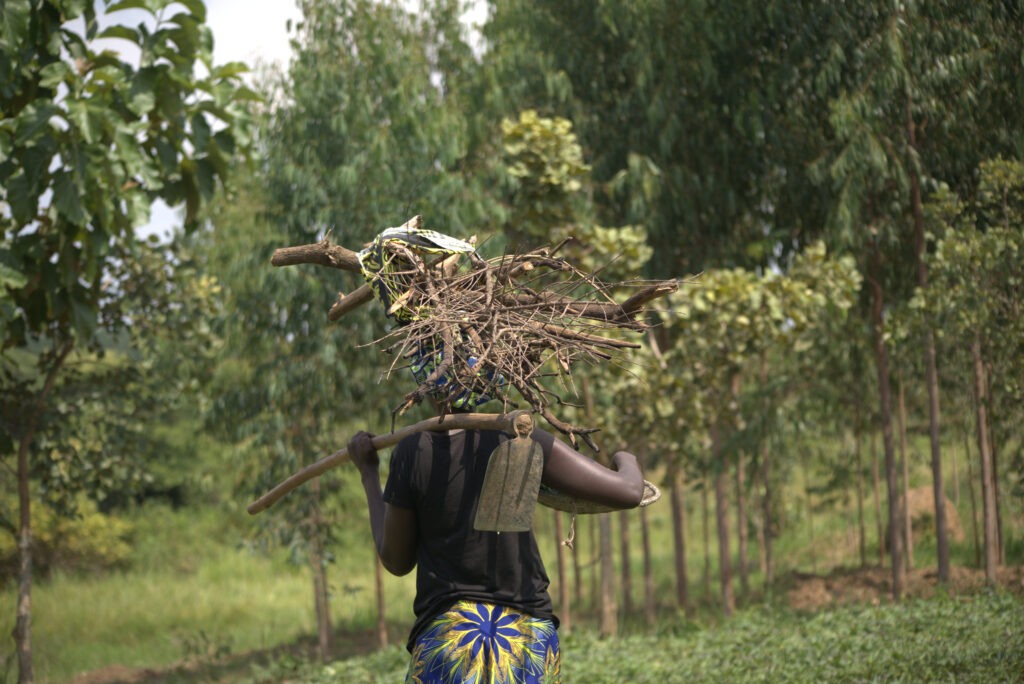
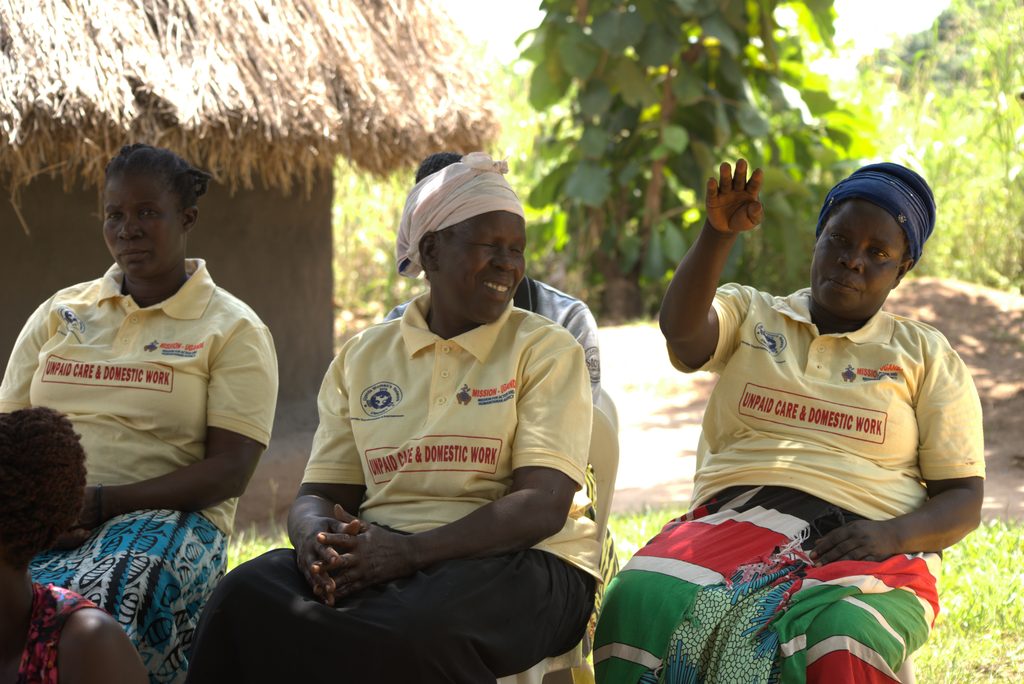
Every day, millions of Ugandan women and girls spend countless hours cooking, cleaning, fetching water, caring for children, supporting older persons, and looking after family members. While this unpaid care and domestic work sustains households, communities, and the national economy, it often goes unnoticed and unrecognized. The unequal distribution of care responsibilities continues to limit women’s participation in education, leadership, decent work, and entrepreneurship. Recognizing this reality, UWONET continues to champion the Care Economy as a critical pathway to achieving gender equality and sustainable development. During the quarter, UWONET convened strategic platforms that brought together researchers, policymakers, development partners, religious leaders, civil society, and community actors to transform research into practical actions and policy solutions.
Evidence Opens Conversation
Annual Research Symposium on Unpaid Care and Domestic Work
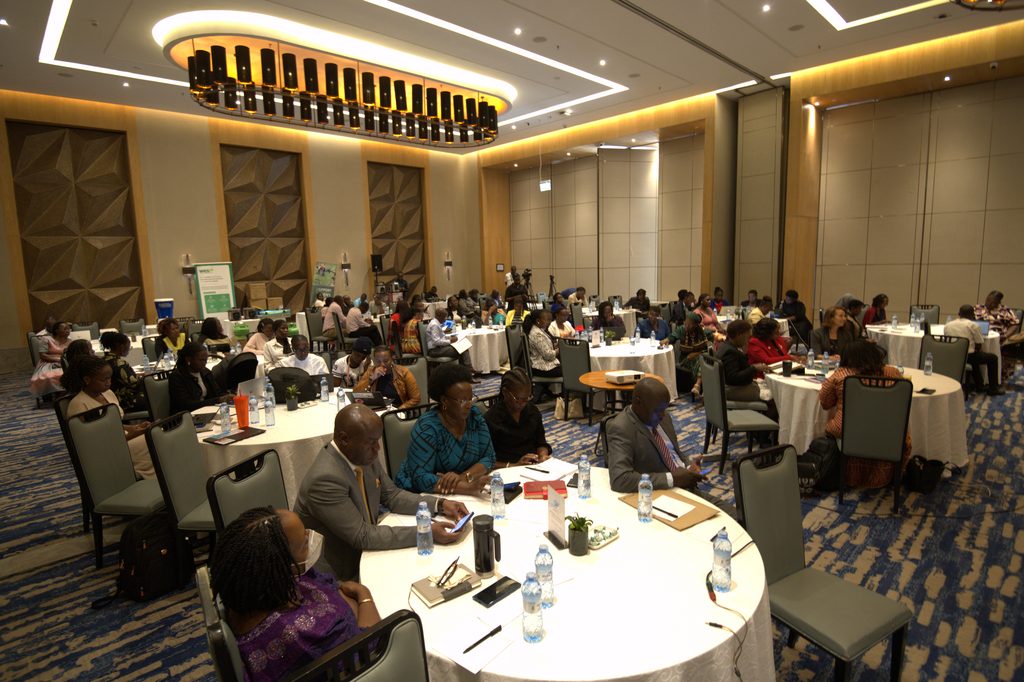
The Annual Research Symposium on Unpaid Care and Domestic Work provided a national platform for researchers, government institutions, academia, civil society, and development partners to examine emerging evidence on the Care Economy and explore practical solutions for reducing and redistributing unpaid care responsibilities.
Francis Shanty Odokorach – Country Director of Oxfam in Uganda

Mr. Odokorach Shanty Francis, emphasized that care work sustains families, communities, and economies, yet remains undervalued and underpaid globally. He called for greater recognition, investment, and policy action on care work
Participants discussed how investments in childcare services, water and sanitation infrastructure, social protection, labour-saving technologies, and gender-responsive public services can reduce the disproportionate burden carried by women and girls.
Engaging Faith Leaders as Champions of Change
Recognizing the influential role of faith leaders in shaping community values and behaviors, UWONET also partnered with religious institutions to promote positive social norms around shared care responsibilities.Through dialogue and reflection, religious leaders examined how faith teachings can support gender equality, encourage shared household responsibilities, and challenge harmful stereotypes that place the burden of care almost entirely on women and girls. Participants acknowledged that transforming social norms begins within families, places of worship, and communities.
“Care is a shared responsibility. Our faith calls us to promote dignity, justice, and mutual support within families and communities.” – Religious Leader during the dialogue
Government and Stakeholder Commitments
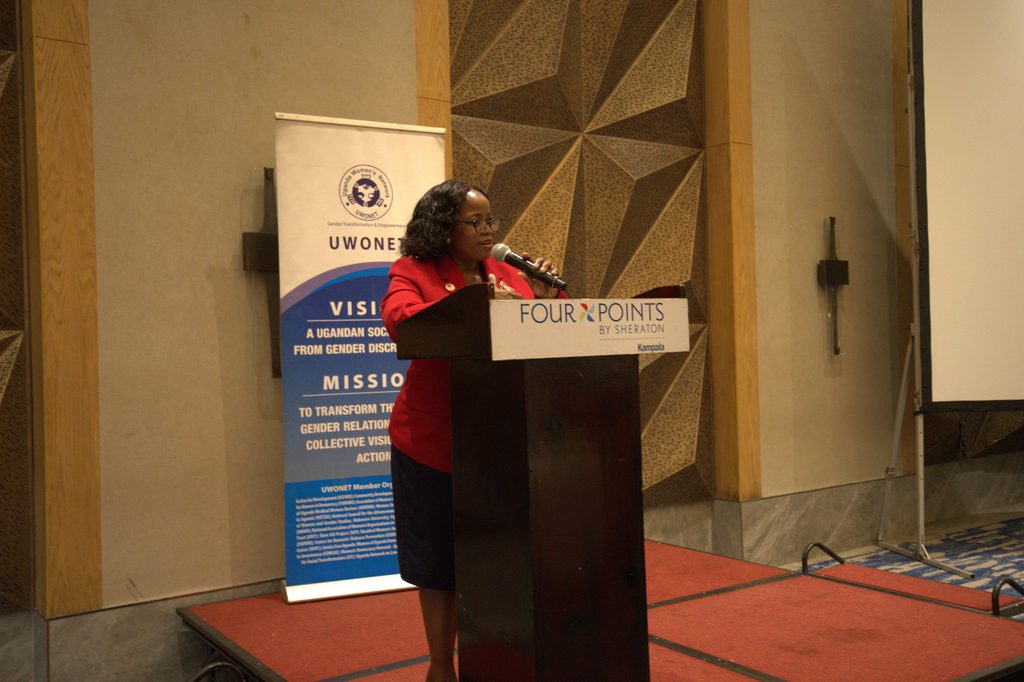
Mrs. Angela Nakafeero, Commissioner for Gender and Women Affairs at the Ministry of Gender, Labour and Social Development, shares insights during the Research Symposium.
The dialogue resulted in several important commitments. Government representatives reaffirmed their commitment to strengthening collaboration with civil society to advance policies that recognize and address unpaid care work. Researchers committed to generating more evidence that informs national planning and policy development. Civil society organizations pledged to continue advocating for increased public investment in care infrastructure and services. Faith leaders committed to integrating messages on shared care responsibilities into community outreach and religious teachings. Development partners reaffirmed support for initiatives that promote women’s economic empowerment through recognition of the Care Economy.