STATEMENT FOR INTERNATIONAL DAY OF CARE AND SUPPORT
Today, Uganda Women’s Network (UWONET) joins the global community in commemorating the International Day of Care and Support, observed every 29th of October. On this day, UWONET recognises all caregivers, particularly the women and girls of Uganda who sustain households and communities by shouldering a disproportionate share of paid and unpaid care work. UWONET stands in solidarity with these women and girls whose invaluable contributions often come at the expense of their own well-being, education, employment, and personal development. This year’s theme, “Care and Support for All: Realizing the Human Rights of Care Providers and Receivers,” affirms that care is both a human right and a shared social responsibility. It recognises that caregivers and those receiving care are entitled to dignity, support, and protection, foundations essential for equity, justice, and sustainable development. UWONET calls upon all stakeholders to value and protect the contributions of caregivers across Uganda.
Care – An essential factor to human rights and development
In Uganda, unpaid and underpaid care work are the invisible threads that sustain households, communities, and the economy. Yet, this work remains undervalued, inadequately supported, and poorly reflected in national statistics and economic planning.
The 2017 Time Use Survey by the Uganda National Bureau of Statistics (UBOS) revealed that women spend 2–3 times more hours each day on Unpaid Care and Domestic Work (UCDW) than men, who spend an average of three hours daily. This gendered division of care labour limits women’s opportunities for education, paid work, leadership, and even rest, perpetuating cycles of inequality.
The Government of Uganda has made notable strides in advancing care and support systems. Noteworthy examples include the Employment (Amendment) Act, 2022, which introduced protections such as breastfeeding rights, flexible work arrangements, and employer-provided breastfeeding facilities. The Marriage Bill, 2024, recognises non-monetary contributions in marriage, valuing unpaid care and domestic work in building family wealth. The Market Act, 2023, requires baby care centres and inclusive restrooms in markets, while the GROW Programme integrates childcare for women entrepreneurs to enhance economic participation. Additionally, the Social Assistance Grant for Empowerment (SAGE) supports eldercare through small cash transfers, and the pending National Health Insurance Bill, 2021, seeks to expand affordable healthcare access.
However, these measures remain fragmented. Uganda urgently needs a comprehensive National Care Policy to ensure coordinated planning, equitable investment, and sustained recognition of care work.
Uganda’s demographic realities and the urgency of care
Investing in care and support is an investment in Uganda’s future. Uganda’s demographic profile makes care and support a national priority. According to the 2024 National Population and Housing Census, 50.5% of Ugandans are under the age of 18, while only 24% fall within the working-age group (25–59 years). This creates pressure on social protection, healthcare, and caregiving systems, especially in a context where safety nets are not equitably accessible.
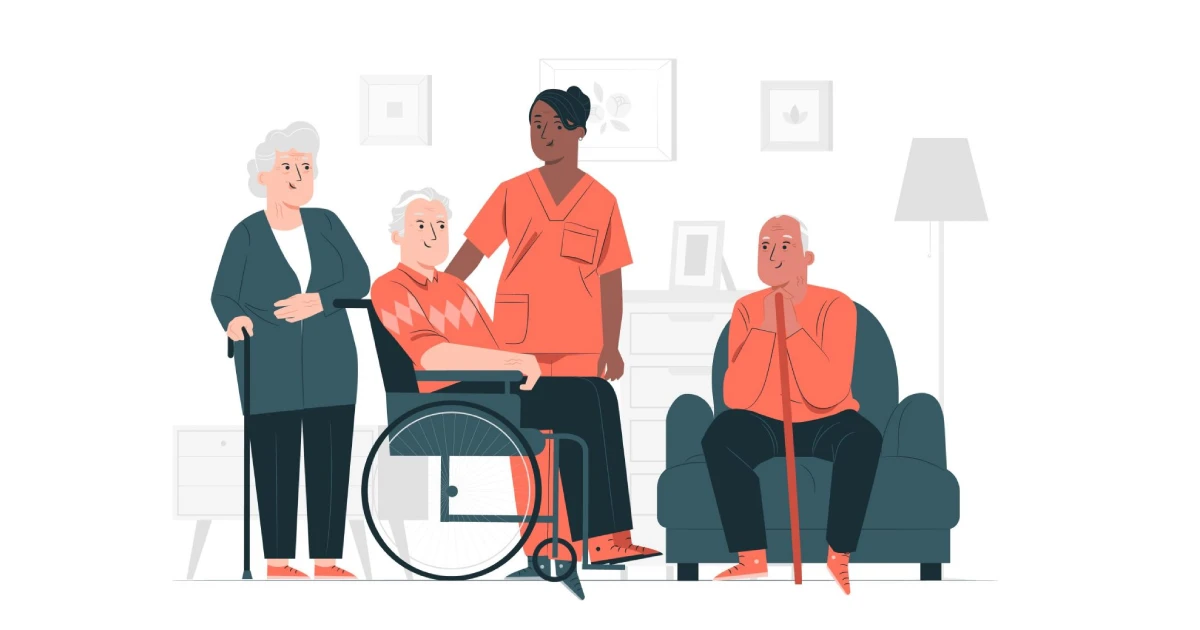
The demand for quality care services, including childcare, disability care, and eldercare for the aging population (approximately 5%), will continue to rise. Without adequate investment in public services and infrastructure such as water, healthcare, and childcare, the demands of care borne mainly by women and girls will continue to limit their economic and social participation, deepening gender inequality. Investing in the care economy will not only reduce gender inequality but also create millions of decent jobs and accelerate economic growth.
Realizing the Human Rights of Care Providers
The theme “Care and Support for All” should remind us that caregivers must be respected and protected. Caregivers, whether unpaid family members or paid domestic workers have the right to decent work including fair wages, safe working conditions, rest, and social protection. Uganda’s domestic care and labour export sector continues to face serious concerns regarding the safety and dignity of care workers, with the country’s image increasingly associated with reports of grave and life-threatening abuse, indifference, and weak accountability. Thousands of Ugandan women and girls migrate or are trafficked locally and to other countries to undertake domestic and other caregiving work end up stuck in exploitative and often risky conditions. Ensuring their rights is not only a moral obligation but also a constitutional and international human rights.
Addressing care and support responsibilities
Targets 5.4, 8.5, 8.7, and 8.8 of the Sustainable Development Goals urge states to ensure decent work for all by promoting equal employment, eliminating unsafe labour practices, and recognising unpaid care work. Care responsibility lies with government, private sector, civil society, and communities alike. Households and cultural institutions must help challenge beliefs that confine women to domestic roles, limiting their social and economic participation. Failure to address unequal care burdens hinders women’s rights and national development. Investing in care services and promoting shared caregiving is vital to empower women, strengthen families, and achieve sustainable growth.
Calls to Action
On this International Day of Care and Support, UWONET calls on all Ugandans to recognize that care is a public good, a human right, and a key driver of sustainable development. The disproportionate burden of unpaid and underpaid care work on women and girls limits their opportunities, undermines gender equality, and constrains national progress. To build a Uganda that is fair, inclusive, and prosperous, care must be valued, protected, and shared across all levels of society.

On this International Day of Care and Support, UWONET:
- Calls upon the Government of Uganda to institutionalize care and support as a national development and human rights priority by integrating care priorities into central and local government plans.
- Urges the Ministry of Gender, Labour and Social Development to prioritize the development and operationalization of a National Care Policy. A National Care Policy is necessary to give visibility and voice for protection of the rights of care givers and those receiving care, promote equitable access to quality care services, guide and coordinate strategic planning and resource allocation, and promote social norms that positively transform public perceptions of care and support.
- Calls upon the Ministry of Finance, Planning, and Economic Development to recognise care as central to economic development, and ensure sustained funding for care services and infrastructure, and social protection.
- Calls upon the Ministry of Gender, Labour, and Social Development to expand the scope and reach of programs like GROW and SAGE to increase equitable access to social protection childcare, eldercare, and disability support.
- Urges the Parliament of Uganda to prioritise and fast track tax and budget policy, and legislative processes that advance care justice, including the enactment of pending Bills like the Minimum Wage Bill, 2019, National Health Insurance Bill, 2021 and the Employment (Amendment) Act 2022.
- Calls upon government and non-government actors alike to uphold the enforcement of laws and policies that ensure decent work, fair remuneration, and protection for all paid care workers, including domestic and community health workers.
- Challenges cultural and faith-based institutions and leaders to challenge harmful gender norms, and tap into positive traditional and faith-based doctrines to promote the value of care within communities, and champion shared caregiving between men and women.
- Urges the media to fulfill its mandate of informing, educating, and holding stakeholders accountable by ethically amplifying care-related stories and narratives.
- Calls upon the private sector and civil society to strengthen protections for their employees by adopting care-responsive and family-friendly policies in workplaces.
- Encourages men and women of all ages in households and communities to consciously share care responsibilities, support caregivers, and challenge attitudes that undervalue care work, ensuring the inclusive participation of both women and men in both domestic and public spheres.
UWONET reaffirms its commitment to advocating for the rights, protection, and empowerment of caregivers and care receivers across Uganda.
Tags: care, international day of care and support, Legal support for GBV survivors, Newsletter, Roland Musasizi, statement, unpaidcare, Women of Uganda