UWONET Joins National Commemoration of the 25th Anniversary of UNSCR 1325 on Women, Peace and Security
Celebrating Women’s Leadership Under the Theme “When Women Lead, Peace Follows”
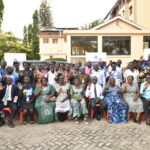
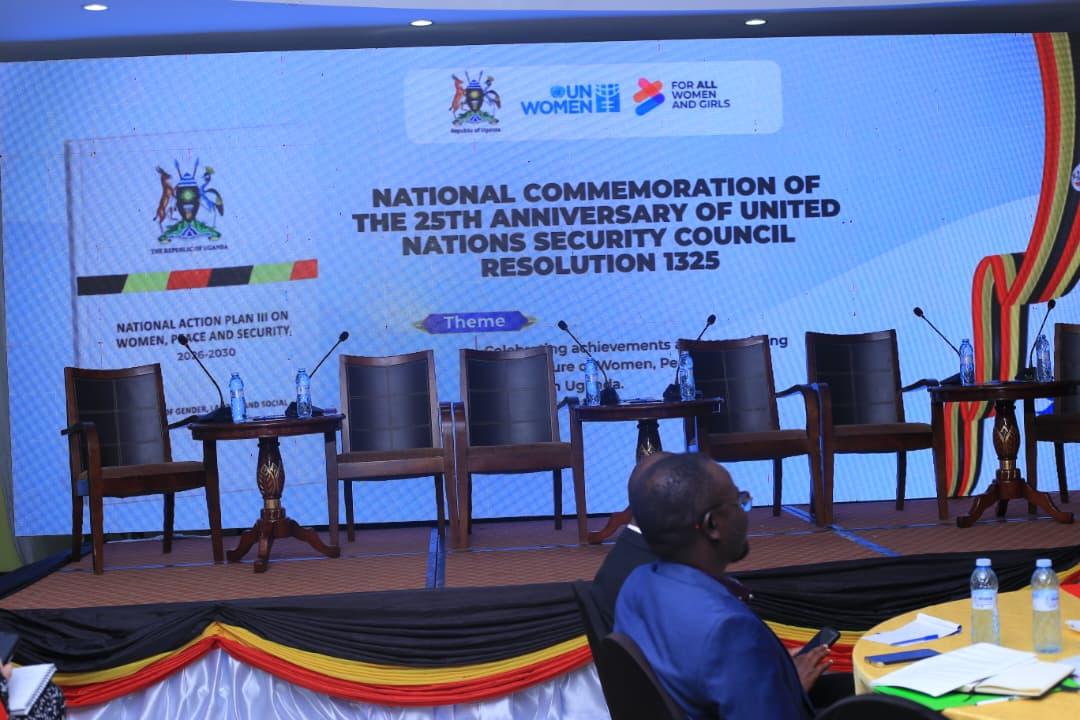
Today, Uganda Women’s Network (UWONET) joined the Ministry of Gender, Labour and Social Development (MGLSD) and partners to commemorate the 25th Anniversary of the United Nations Security Council Resolution 1325 (UNSCR 1325) on Women, Peace and Security. Held under the inspiring theme “When Women Lead, Peace Follows,” the event provided a platform to celebrate progress, reflect on persistent challenges, and renew collective commitment to advancing women’s leadership in peacebuilding and decision-making spaces.
About UNSCR 1325
Adopted in 2000, UNSCR 1325 was the first formal recognition by United Nations Security Council of the crucial role women play in conflict prevention, resolution, peace negotiations, and post-conflict reconstruction. It underscores the importance of women’s participation and protection in peace and security processes.
Juliet Were, Board Chairperson of UWONET
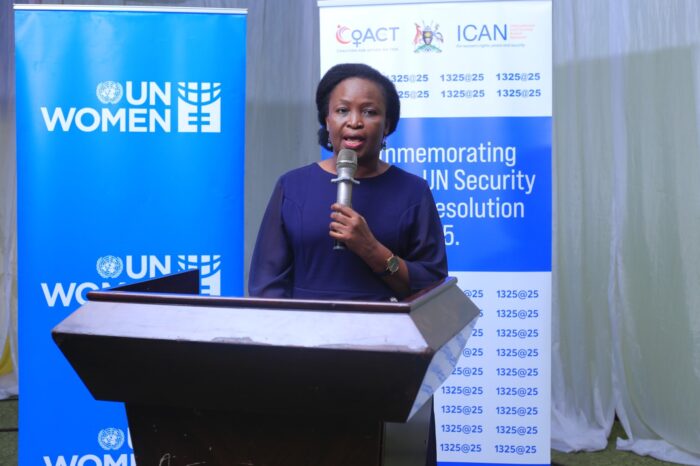
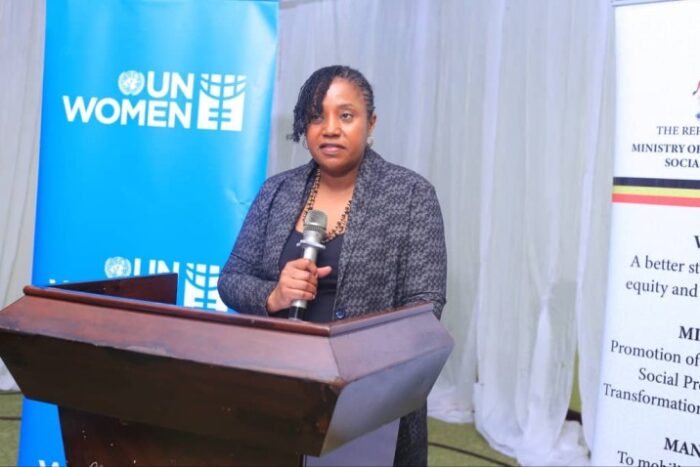
Juliet Were, Board Chairperson of UWONET and Deputy Executive Director of Women’s International Peace Centre https://wipc.org/, delivered the keynote address. She described the moment as both an honor and a reflection on a 25-year journey that has been “challenging and inspiring,” commending Uganda’s commitment through three National Action Plans aligned with global frameworks to enhance women’s participation in peacebuilding, leadership, and justice. Paying tribute to the women and male allies who have advanced Uganda’s peace efforts, she highlighted the resilience of women-led movements such as the Uganda Women’s Coalition for Peace. Juliet emphasized that peace without justice is unsustainable, calling for progress in transitional justice, reparations, mental health, and economic and environmental security. She urged greater investment in gender-responsive budgeting currently under 1% of the national budget and stronger support for the Ministry of Gender. Concluding, she called for intergenerational leadership and a reimagined peace rooted in justice, equity, and dignity: “When women lead, peace follows.”
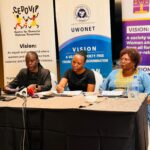
Representing civil society, Rose Wakikona, UWONET Board Vice Chairperson and Deputy Executive Director of Women’s Probono Initiative https://womenprobono.org/, delivered the Civil Society Statement on behalf of women’s rights organizations across Uganda. Link for the press statement https://www.uwonet.or.ug/download/commemorationunscr1325
Recognizing Progress in the Women, Peace and Security Agenda
In her remarks, Ms. Wakikona commended Uganda’s progress in implementing the Women, Peace and Security agenda. She applauded the government, civil society, and development partners for their dedication to advancing gender equality and women’s empowerment.
She noted significant milestones including:
- The establishment of robust legal and policy frameworks promoting gender equality;
- Increased representation of women in Parliament and local governance;
- Over 21 districts developing local peace plans with a strong gender perspective; and
- The growing contribution of women’s rights organizations in combating gender-based violence and promoting justice for survivors.
Persistent Gaps and Emerging Concerns
Despite these achievements, Ms. Wakikona emphasized that more work remains to be done. Women continue to be underrepresented in key peace and security institutions such as the police and armed forces, limiting their influence in shaping national security priorities. She further highlighted alarming levels of domestic and sexual violence, referencing the Annual Police Crime Report (2024) which documented over 14,000 cases of domestic violence across the country.
A major concern raised was the decline in funding for women’s rights organizations, which received only 0.3% of development aid between 2021 and 2023, coupled with reduced budget allocations to the Ministry of Gender, Labour and Social Development factors that threaten to stall progress on gender equality.
A Call to Action: Renewing Commitment to Women’s Empowerment
Ms. Wakikona called for increased budgetary support to the Ministry of Gender to ensure effective implementation of Uganda’s national gender agenda. She urged cultural, religious, and community leaders to challenge harmful norms and champion women’s empowerment at all levels.
Additionally, she encouraged the police and armed forces to take deliberate steps in recruiting, retaining, and promoting more women within their ranks.
In her closing message, she rallied women across Uganda to take up leadership, claim their rightful space in decision-making, and remain steadfast in driving Uganda’s peace and security agenda forward.
About UNSCR 1325; Adopted in 2000, UNSCR 1325 was the first formal recognition by United Nations Security Council of the crucial role women play in conflict prevention, resolution, peace negotiations, and post-conflict reconstruction. It underscores the importance of women’s participation and protection in peace and security processes.
UN Women Applauds Uganda’s Inclusive Model for Women, Peace, and Security

Dr. Paulina Chiwangu, the Country Director of UN Women Uganda, commended Uganda’s inclusive approach to the WPS agenda, particularly recognizing the leadership of the Ministry of Gender, Labour and Social Development (MGLSD) in advancing district-level implementation. She highlighted the 20 districts that have already developed localized peace plans with a strong gender perspective as a model for others to emulate. Dr. Chiwangu emphasized that Africa is rich in local resources that can sustain peace and gender equality efforts, discussed the importance of intergenerational inclusion, and called for stronger reliance on data-driven approaches. In conclusion, Dr. Chiwangu urged Uganda to address emerging challenges such as climate change and violent extremism through a gender lens, ensuring that women’s voices and experiences shape the national and local responses to these evolving threats.
Jacqueline Makokha, UNAIDS Country Director, praised Uganda for being a true haven for refugees most of whom are women and children. Speaking on behalf of the United Nations, she commended the government’s strong commitment to peace and security in the region and reaffirmed UN’s continued support.
She highlighted that Uganda now hosts nearly two million refugees, showcasing its leadership in humanitarian response and regional solidarity. Makokha emphasized the UN’s focus on strengthening local-level implementation to ensure women remain central in these efforts.
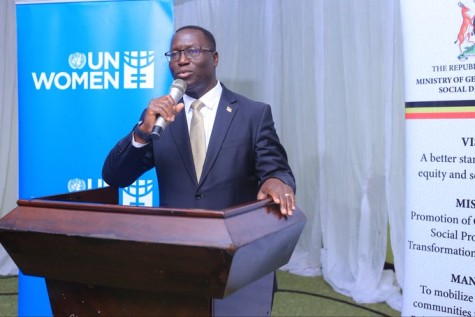
Speaking on behalf of the Minister of Gender, Labour and Social Development, the Permanent Secretary reaffirmed Uganda’s strong commitment to the Women, Peace and Security agenda, noting progress made through three consecutive National Action Plans since 2008. He highlighted ongoing challenges such as regional instability, human trafficking, violent extremism, cyber insecurity, and climate-induced displacement that continue to affect women and girls. Despite legal reforms aligned with Resolution 1325, gender-based violence remains high, especially in conflict-prone areas. He emphasized the need to invest in girls and young women and called for inclusive collaboration among government, civil society, and communities to build lasting peace and security for all.
The commemoration of the 25th Anniversary of UNSCR 1325 reaffirmed Uganda’s steadfast commitment to advancing the Women, Peace, and Security (WPS) agenda. The event underscored significant progress ranging from strengthened legal frameworks and increased women’s representation in governance to the development of gender-responsive local peace plans. However, it also highlighted the urgent need to address persistent challenges such as underrepresentation of women in security institutions, high levels of gender-based violence, and emerging threats like climate change and violent extremism. As echoed by national leaders and partners, achieving sustainable peace demands continued investment in women’s leadership, stronger intersectoral collaboration, and a collective resolve to ensure that women’s voices and experiences remain central to shaping Uganda’s peace and security landscape.
Tags: Commemoration of the 25th Anniversary of UNSCR 1325, Newsletter, Roland Musasizi, UNSCR1325, UWONET News, Women's leadership