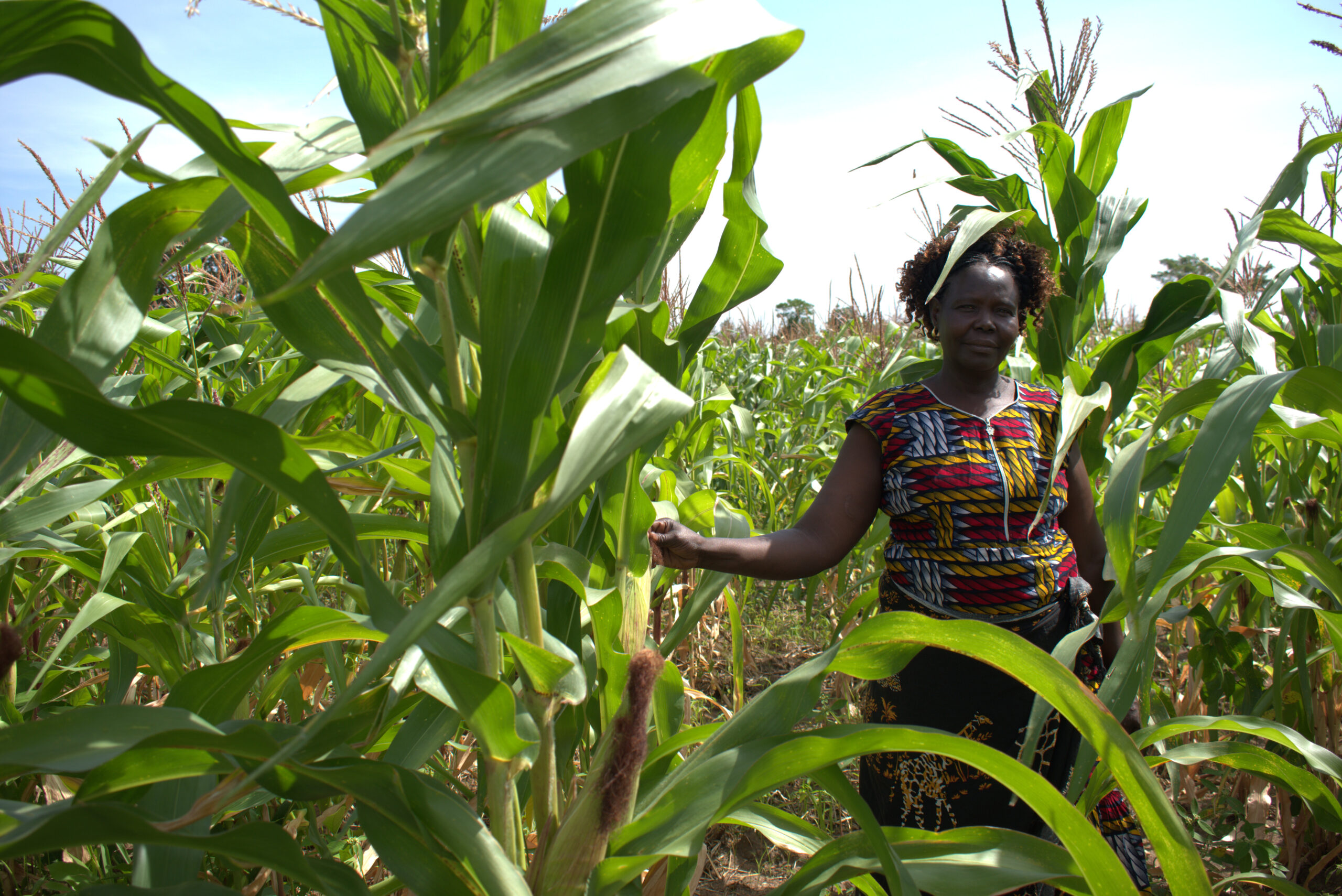
Women Powering Uganda’s Agricultural Growth
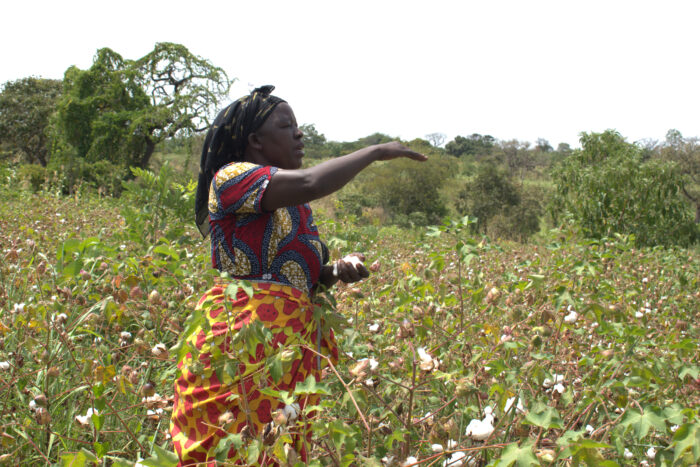
Women continue to anchor Uganda’s agricultural sector, contributing up to 90% of food production labor and representing over 88% of the farm workforce. However, in Nwoya and Lamwo districts, limited technical skills, low literacy levels, negative social norms and the widespread circulation of poor agro-inputs particularly seeds and fertilizers have constrained women’s productivity.
Strengthening Women Agronomic Skills and Climate-Resilient Practices
Uganda Women’s Network (UWONET) enhanced the knowledge and practical skills of 200 women farmers in modern agronomic practices through hands-on mentorship and field-based learning sessions delivered alongside extension workers.
Women farmers gained practical skills in:
- Optimal plant population and spacing
- Preparation and application of organic pesticides
- Water management through construction of drainage ditches
- Proper planting depth and row alignment
These interventions enabled women to adopt efficient and climate-resilient farming methods, significantly improving crop management and productivity.
Establishment of Demonstration Farms and Task Forces
As a result of the mentorship program, 12 farmer groups established demonstration farms across Nwoya and Lamwo districts. These farms now serve as community learning hubs where farmers observe, practice, and replicate improved techniques while supporting local seed multiplication.
To address the challenge of counterfeit agro-inputs, district task forces were formed to guide farmers on safe input sourcing and monitor agro-dealers. This initiative has reduced the circulation of fake agricultural products and strengthened farmer confidence in input markets.
From Subsistence to Commercial Farming
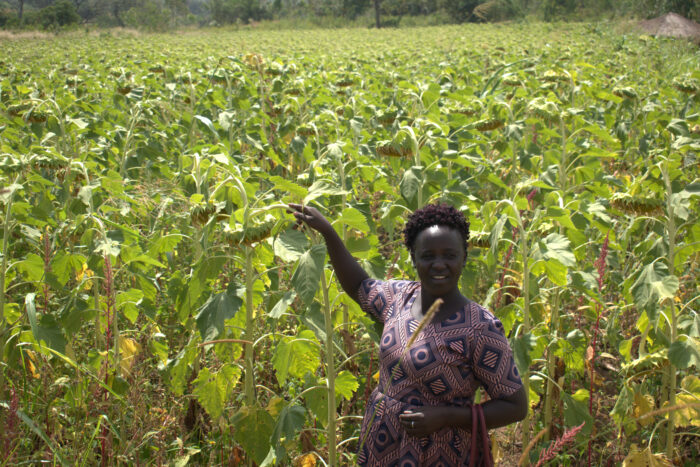
UWONET promoted a mindset shift from subsistence farming to market-oriented agriculture. Previously, many women sold unprocessed produce at low prices and farmed small plots primarily for household consumption.
Through targeted support, women transitioned to commercial farming by:
- Expanding cultivation from small gardens to multiple acres
- Selecting viable, market-driven enterprises
- Adding value to agricultural produce
- Using improved tools and certified seeds
- Accessing larger farmland
This shift increased productivity, profits, and business viability.
Access to Financing Boosted Women Enterprise Growth
A total of 76 women farmers accessed UGX 1 million each through the Parish Development Model to invest in agricultural and livestock enterprises, including cattle, piggery, poultry, goat rearing, and crop production. The majority invested in sunflower, groundnuts, and soybeans.
In Lamwo District, Jacky Canrach planted two acres of groundnuts and harvested 15 bags of 100Kgs. In Nwoya District, Atim Scovia improved post-harvest handling by using tarpaulins for shelling, storing produce in cool environments, and sorting out damaged seeds, securing better market prices.
Voices from the Field
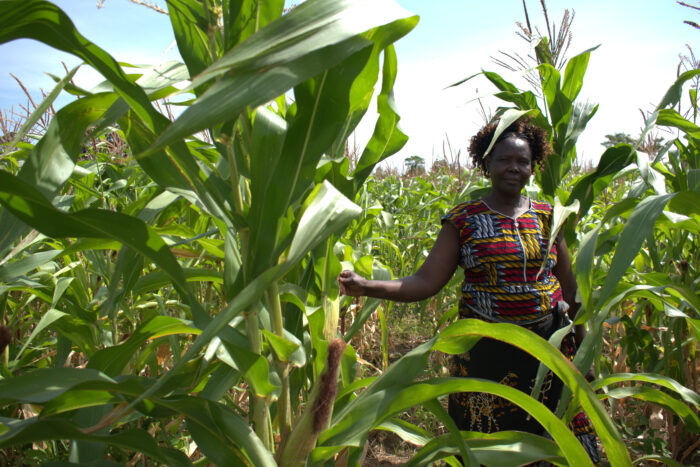
“Before this demonstration garden, I was planting crops the way my parents taught me. Now, I space my crops properly, apply organic manure, and control pests early. I’ve already seen a difference,” said Sarah Atim, Model Farmer, Purongo Sub-County, Nwoya District.
Mr. Kassim, Agriculture Extension Officer, Madio Pei Town Council, Lamwo District, noted that women farmers previously cultivated crops without understanding pricing or seasonal trends. Following UWONET’s training on garden selection, seedling selection, spacing, and value addition, women increased sales, purchased land, and started small businesses.
Impact: Increased Incomes and Economic Resilience
Overall, the intervention enhanced women’s agricultural productivity, incomes, and market competitiveness. By strengthening technical capacity, improving access to safe inputs and financing, and promoting commercial farming, UWONET advanced women’s economic resilience and agency in Nwoya and Lamwo districts. https://www.horizont3000.org/en
STORY OF CHANGE: From Zero to Fifteen Bags: How Knowledge Transformed Jacky’s Agro-business in Lamwo District
Before 2025, Jacky Cancrah, a member of the Paco Meyero Women Farmers Group in Lamwo District, cultivated her land without clear knowledge of good agronomic practices. She planted crops without considering seasonal patterns, soil suitability, spacing, or market demand. As a result, yields remained low and income limited. Although she had access to land and farmed jointly with her husband, productivity was stagnant.
UWONET identified that a few many women farmers had land access but lacked the technical knowledge and skills to use it productively. In 2025, the UWONET linked agricultural extension workers to women farmers in Lamwo and Nwoya districts. The extension workers provided hands-on mentorship from seed selection to post-harvest handling, using demonstration gardens to promote peer learning and practical application. The training emphasized crop selection based on seasons, proper spacing, planting in lines, timely weeding, and improved storage.
Jacky applied the new knowledge immediately. Together with her husband, she planted two acres of groundnuts using correct spacing, line planting, and timely weeding as advised. The results were transformative. From the 2 acres, they harvested 15 bags of groundnuts.
Of the 15 bags, 10 were sold, generating income that enabled the household to purchase a motorcycle for transport and income-generating activities. Two bags were reserved for home consumption, and three were kept as seed for the next planting season. For the first time, the family not only met their food needs but also made a strategic investment and planned ahead for the next season.
Beyond increased yields, the change strengthened joint decision-making within the household. Jacky and her husband collectively agreed on how to use the income, reflecting greater recognition of her contribution to household prosperity.
Jacky’s story demonstrates that improving women’s access to agricultural extension services translates directly into higher productivity, increased income, improved food security, and stronger household cooperation. In Lamwo District, knowledge (not just land) proved to be the turning point for sustainable economic empowerment.
Tags: Roland Musasizi, Uganda women, UWONET News, Women of Uganda