VALIDATION OF UGANDA’S 10TH CEDAW ALTERNATIVE REPORT
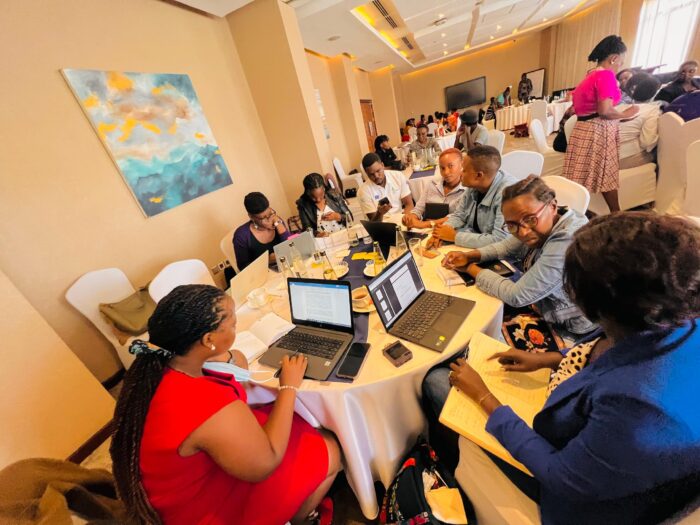
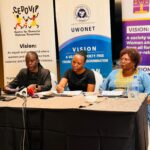
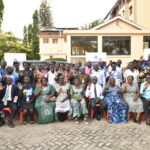
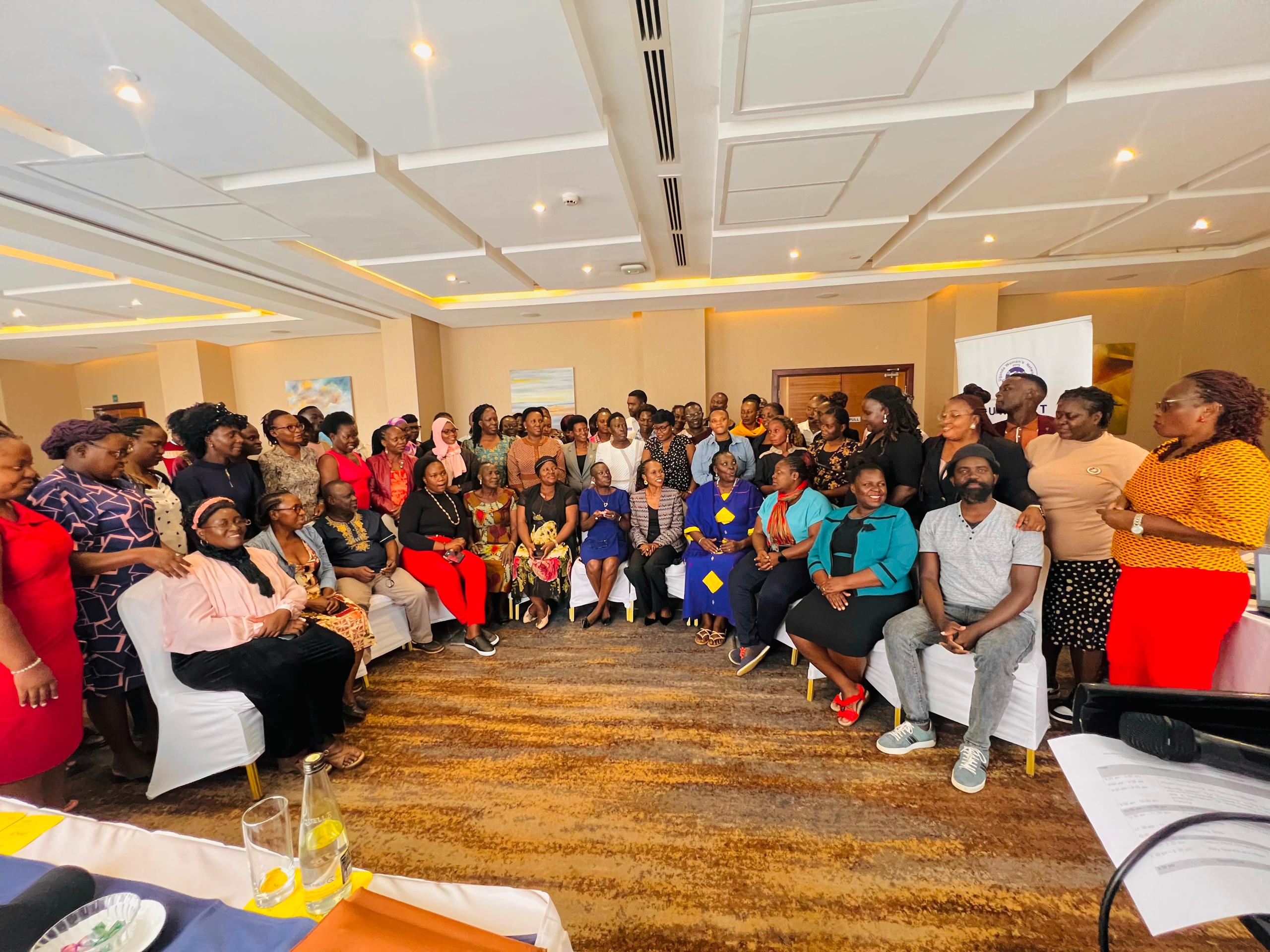
On April 4, 2025, UWONET facilitated a critical validation meeting for Uganda’s 10th Alternative Report to the UN Convention on the Elimination of All Forms of Discrimination Against Women (CEDAW) was held at the Golden Tulip Hotel in Kampala. Convened by a coalition of civil society organizations (CSOs), the meeting brought together stakeholders from government, academia, and development sectors to ensure the report accurately reflects the lived experiences of Ugandan women and girls.
The session served to finalize the civil society shadow report before submission to the CEDAW committee, offering an evidence-based critique of the government’s progress and gaps in implementing gender equality commitments. These shadow reports are essential in holding governments accountable and spotlighting marginalized voices often left out of state narratives.
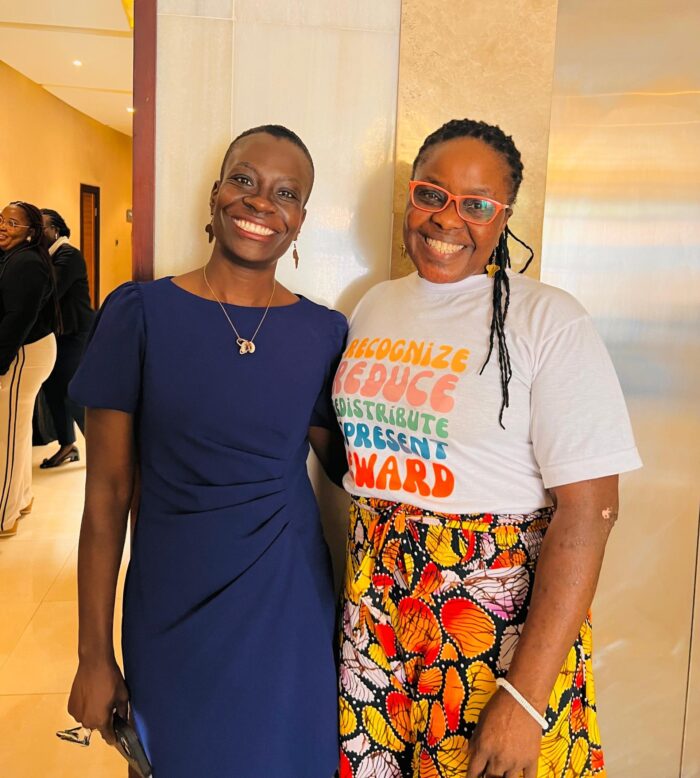
Dr. Brenda Akia, Uganda’s elected member and Vice Chair of the CEDAW Committee, delivered a keynote emphasizing the crucial role of civil society in the CEDAW process. She
highlighted the impact of CEDAW in prompting real change, such as the release of detained migrant women and improved legal aid access. However, she warned of patchy national implementation of international frameworks, urging continuous civil society engagement beyond reporting.
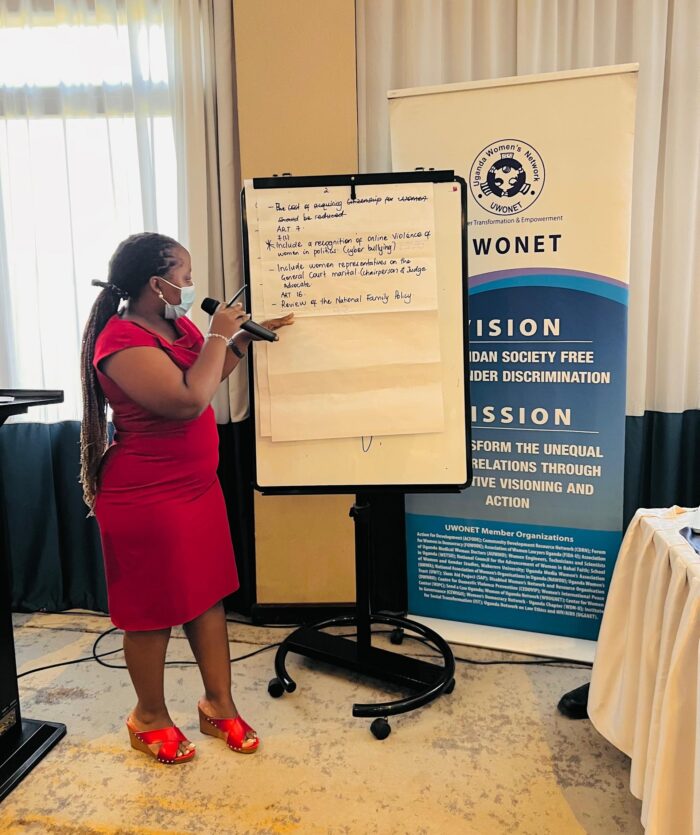
Key challenges identified include systemic gender inequalities in land rights, political participation, financial
access, legal protections, and reproductive autonomy. Legal
frameworks exist but are poorly enforced, especially for women with disabilities, survivors of gender-based violence (GBV), and elderly women. Cultural norms and stereotypes
further exacerbate these issues.
Participants criticized social protection programs (YLP, UWEP, PDM) for their inaccessibility and flagged
exclusionary policies in marriage and land rights. The failure to ratify the CEDAW Optional Protocol was
highlighted as a barrier to filing formal complaints internationally. The emergence of General Recommendation 40 on political participation was seen as a timely advocacy tool for pushing 50:50 gender parity in leadership ahead of Uganda’s upcoming elections.
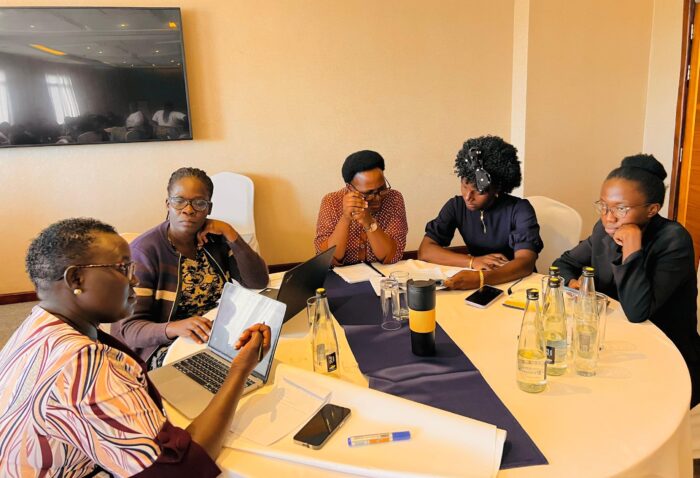
The discussion extended to overlooked sectors like sports and media, where institutional biases continue to limit women’s leadership. Participants emphasized the need for inclusive justice systems, stronger accountability, better data, community-level sensitization, and the amplification of grassroots voices. The validation marked a collective resolve to use the report as a strategic advocacy tool, pushing for deeper reforms that dismantle entrenched gender inequalities and ensure Uganda fulfills its obligations under CEDAW.
Tags: CEDWA Report, Newsletter, Roland Musasizi, Uganda women, Uganda Women's Network, Women of Uganda