COLLOQUIUM ON GENDER-RESPONSIVE ACCESS TO JUSTICE
Access to justice is a fundamental right guaranteed under Article 8 of the Universal Declaration of Human Rights and other legal frameworks. In Uganda, women’s access to justice remains uneven despite progress in gender-sensitive services. Structural, cultural, and economic barriers especially for women in rural areas and the informal sector continue to hinder full enjoyment of this right.
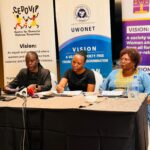
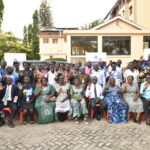
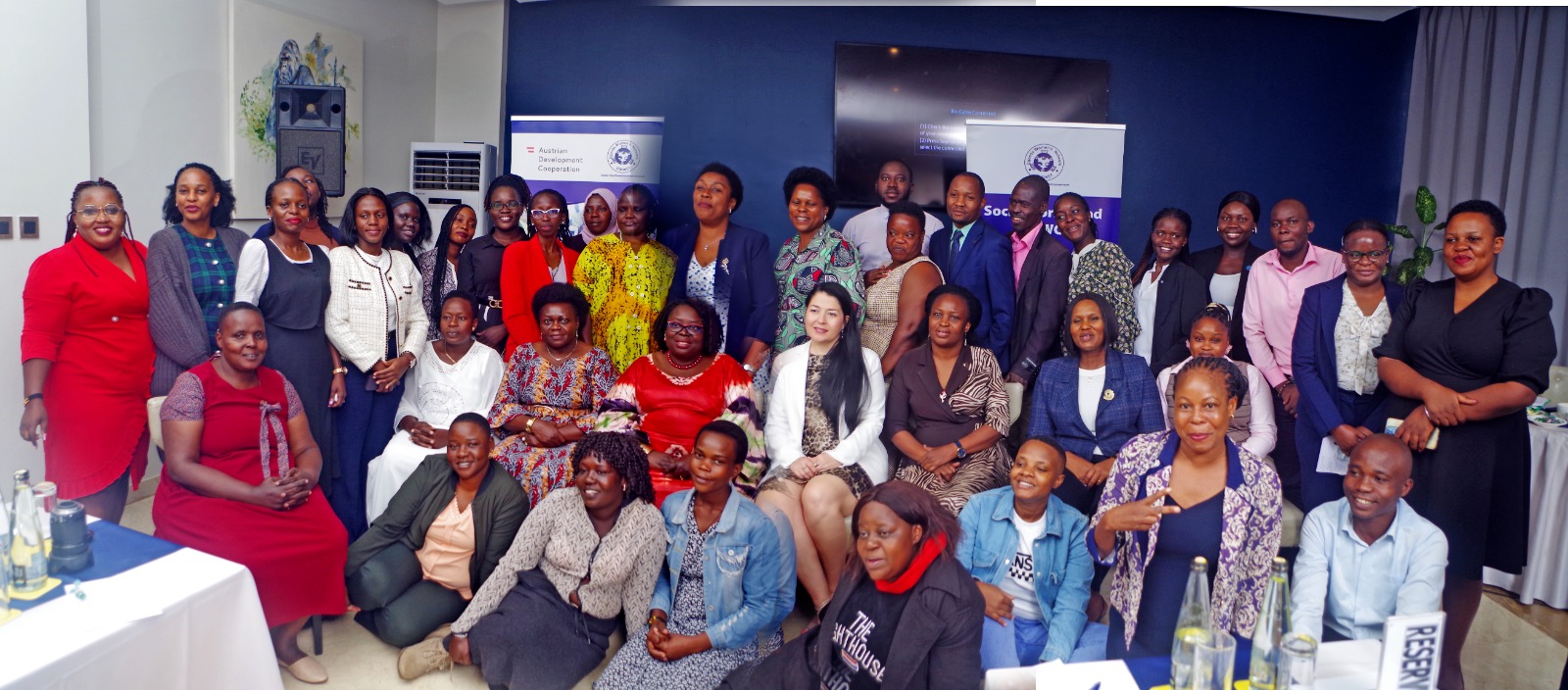
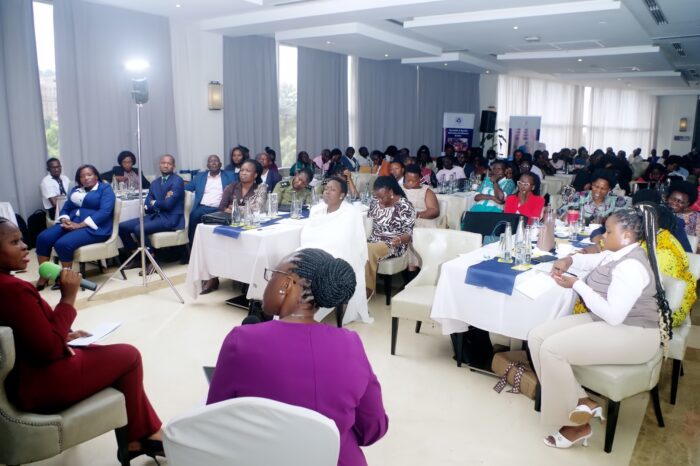
On Tuesday, 6th May 2025, UWONET organized a colloquium to examine gender gaps in justice delivery and recommend legal and policy reforms, share best practices in improving access to justice for women and girls, and promote collaboration among justice actors for inclusive and equitable services. The event convened a diverse group including justice sector actors, legislators, women’s rights organizations, development partners, legal aid providers, academics, customary justice actors, students, and advocates.
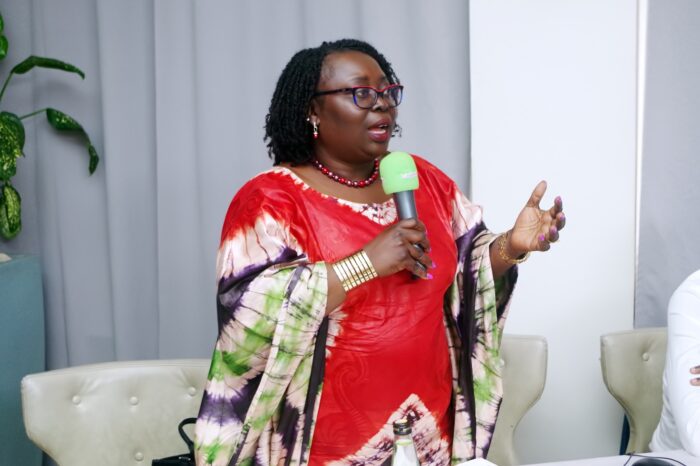
Mrs. Rita Aciro the executive director of UWONET emphasized the organization’s critical role in promoting access to justice through a community-based approach centered on conscientization. She highlighted the establishment of advisory centers and shelters in Namutumba and Kamuli districts (Busoga region) in 2013, which offer wholistic support to survivors of Gender-Based Violence (GBV). The land for these facilities was provided by the respective Local Governments.
Beyond service provision, Rita noted that these shelters also serve as data collection hubs to inform policy. The data collected directly feeds into national systems, including the Ministry of Gender, Labour and Social Development (MGLSD), and strengthens UWONET’s advocacy work. This evidence base has enabled UWONET to contribute meaningfully to national policies and initiatives such as the National Development Plan, the Education Policy, and the National Women’s Manifesto.
Advancing Women’s Access to Justice, Law and Order Services under the Access to Justice Sub-Programme
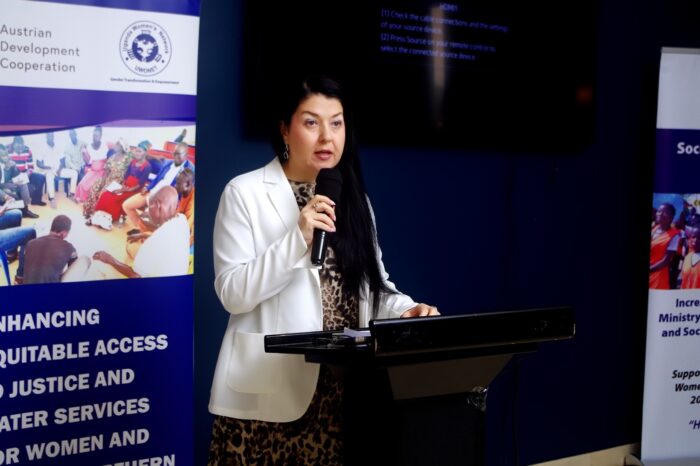
Dr. Katja Kerschbaumer the Head of Office of the Austrian Embassy Development Cooperation in Uganda commended UWONET for convening the Justice Colloquium on Gender-Responsive Access to Justice. She highlighted the relevance of the theme, noting its alignment with broader efforts to promote Gender Equality and Women’s Empowerment (GEWE).
She underscored the value of bringing together diverse justice actors, emphasizing that such collaboration is vital for ensuring inclusive and meaningful access to justice. Dr. Katia also addressed the persistent challenge of Gender-Based Violence (GBV) in Uganda, describing it as a deeply entrenched issue requiring collective and sustained action. She stressed the importance of public awareness to ensure individuals are informed about their rights and available avenues for redress.
Persistent challenges for women and girls access to justice includes: levels of education, expensive and complex justice system, limited trust in the formal justice system, geographically distant justice service locations, limited access to technological infrastructure, corruption in the justice system, cultural norms and stereotypes, limited gender mainstreaming and sensitivity in the justice system, sexual harassment
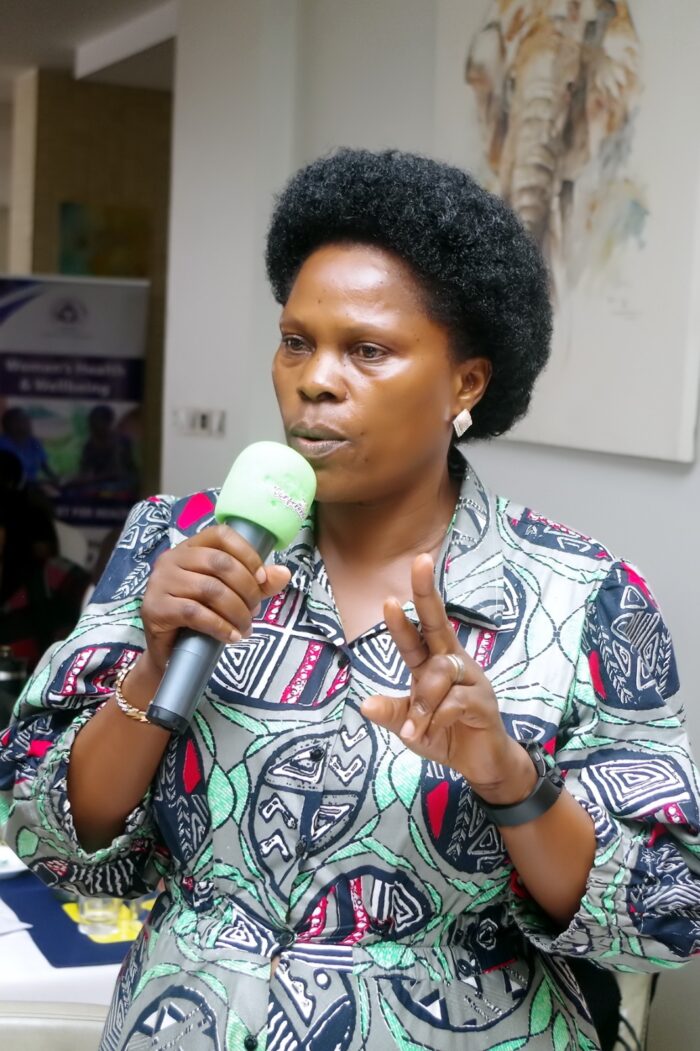
Success Story: “A notable success story emerged from one of the sub-counties where UWONET is actively working: a widow with a disability was forcibly evicted from her land by a relative who deemed her too old and unproductive. Her daughter reported the case to local informal justice actors, who had previously received training in mediation. Working in collaboration with formal justice actors, they launched an awareness campaign on land rights, referencing the 2022 property-related bill to educate the community especially women on their legal entitlements. Through a structured mediation process, the woman regained ownership of her land and is now supported by the community to cultivate it. This case was documented by Light for the World International and later received an award from NUDIPU for championing women’s land rights and disability inclusion.”
Recommendations
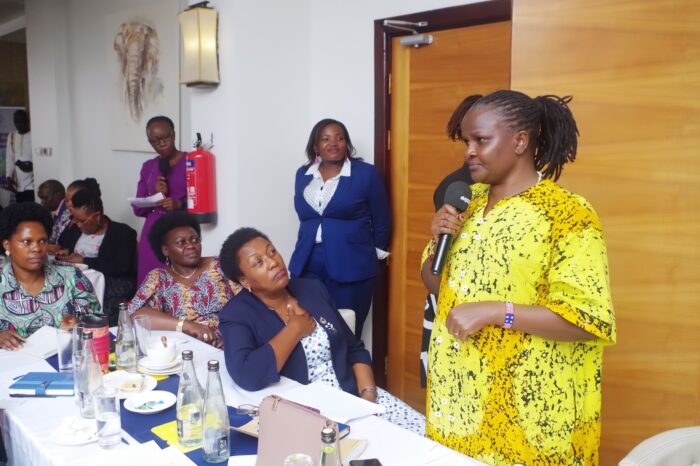
- Advocate for the establishment of mobile courts to enhance access to justice for women and girls, particularly in hard-to-reach and underserved areas such as island communities.
- Strengthen police capacity through regular training on gender-sensitive approaches for handling gender-related cases.
- Review and update police training curricula to integrate gender responsiveness and promote rights-based policing.
- Advocate for the establishment of clear timelines for resolving Gender-Based Violence (GBV) cases to ensure timely justice.
- Support the review and enactment of the Legal Aid Bill, with active involvement from Women’s Rights Organizations (WROs).
- Enhance partnerships and collaboration among stakeholders to provide comprehensive GBV support services, including psychosocial support.
- Establish coordinated platforms for GBV actors to foster joint planning, case management, and survivor referral systems.