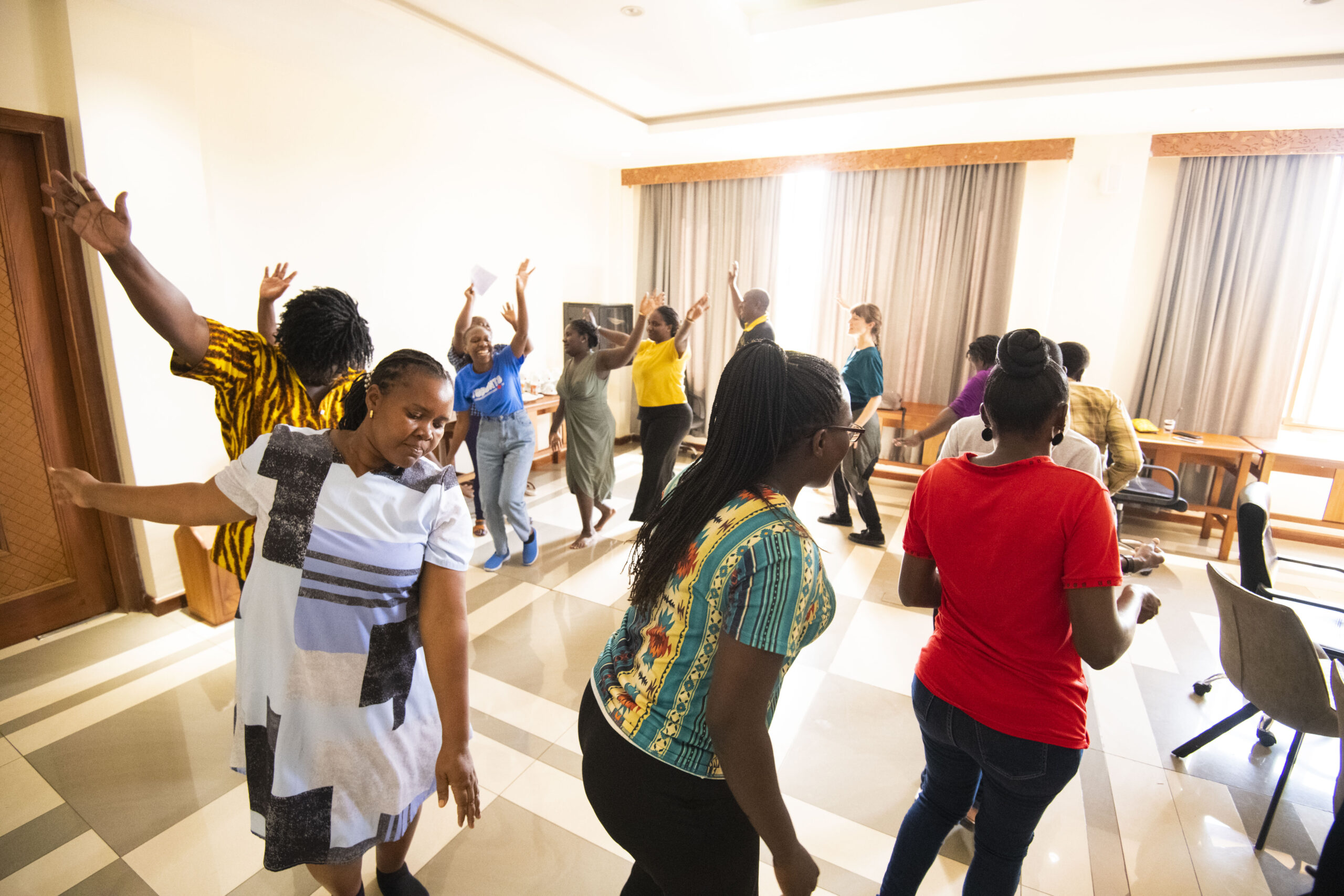
Trauma Sensitive Approach (STA) Training
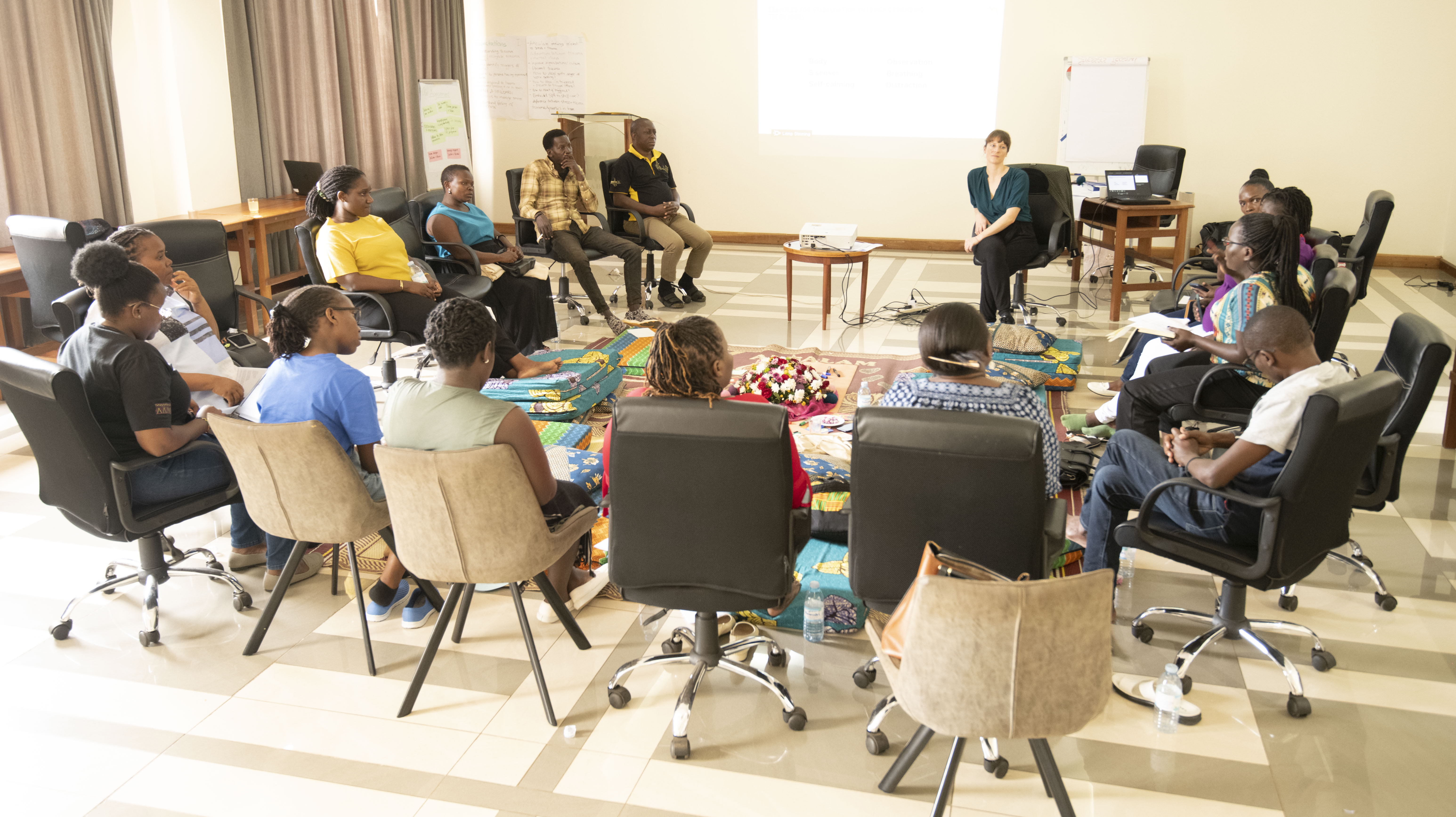
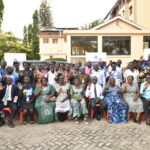
UWONET Staff working in trauma-affected environments often face high emotional demands, increasing the risk of chronic stress and secondary trauma. Under the Feminist Action Project, Medica Mondiale https://medicamondiale.org/en/ conducted a Stress and Trauma-Sensitive Approach (STA) training for staff to equip them with practical tools for self-awareness, stress management, self-care and trauma sensitivity at work. The training aimed to help staff recognize signs of stress and trauma and develop strategies to maintain their well-being.
A needs assessment conducted by Medica Mondiale in May revealed major stressors such as heavy workloads, emotional strain from handling SGBV cases, funding challenges, and socio-economic pressures. It also noted that both staff and the organization had initiated wellness activities to promote resilience.
Stress is a natural human response to difficult situations, but how we manage it greatly affects our wellbeing. Common stressors include poor communication, high workloads, unclear roles, and tight deadlines. Staff shared personal experiences of trauma such as harassment in public spaces that negatively impact performance and mental health.
“All staff have gone through trauma but are often in denial, which hinders healing and leads to mental illness or health complications”
– Niwahereza
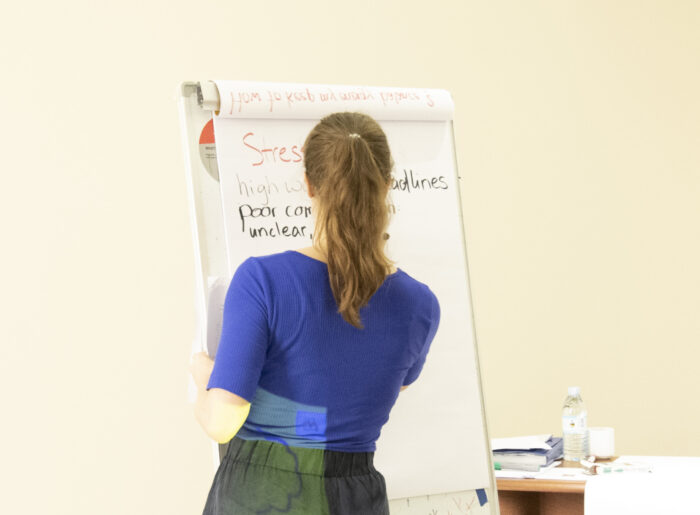
Muriel Garl (Medica Mondiale staff) emphasized the need for organizations to create effective coping mechanisms, noting that stress and trauma directly affect wellbeing.
– Muriel
Impact of Work Experiences on Staff
Staff shared that handling SGBV cases in Busoga region had a negative emotional impact, leading to experiences of secondary trauma. One staff member noted that repeatedly registering cases of rape and defilement involving girls and older women caused deep emotional distress. Over time, she developed fear and resentment toward men accompanying young girls or elderly women.
Another staff member reported feeling similarly affected after witnessing cases of men discriminating against women in matters of property inheritance. These experiences led to a sense of frustration and mistrust toward men.
Overall, continuous exposure to distressing field cases results in emotional exhaustion and secondary trauma among field staff over time.
Muriel Garl highlighted, “We can only cope when we recognize and understand our trauma and how we respond to it. Sometimes, when you fear something, talk about it, face it, and fight it.”
Tags: Newsletter, Roland Musasizi, Selfcare, stress, trauma, Uganda women, UWONET, UWONET News, Wellness