LAUNCH OF THE NATIONAL WOMEN’S MANIFESTO 2026–2030
In the last three decades, UWONET has coordinated the development of the National Women’s Manifesto led by Women’s Rights Organizations (WROs) with overreaching goal of advancing Gender Equality, Women’s Empowerment (GEWE) and national development across social, political and economic spheres. The National Women’s Manifesto 2026–2030 highlights key gender concerns that continue to impede development and deny women and girls attain their full potential to live a dignified life. The Manifesto outlines clear priorities and demands that women across the country draw the attention of decision-makers, in elective and appointed, to address over the next five years.
Recognizing the evolving national and global context towards gender equality, the Women’s Manifesto 2026 -2030 aligns with key development framework. It provides recommendations aimed at transforming the lives of women and girls, promote gender equity and ultimately foster national development. The Manifesto equally serves as a tool for collective voice and vision to influence development discourse and gender accountability.
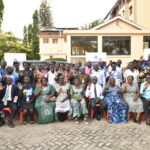
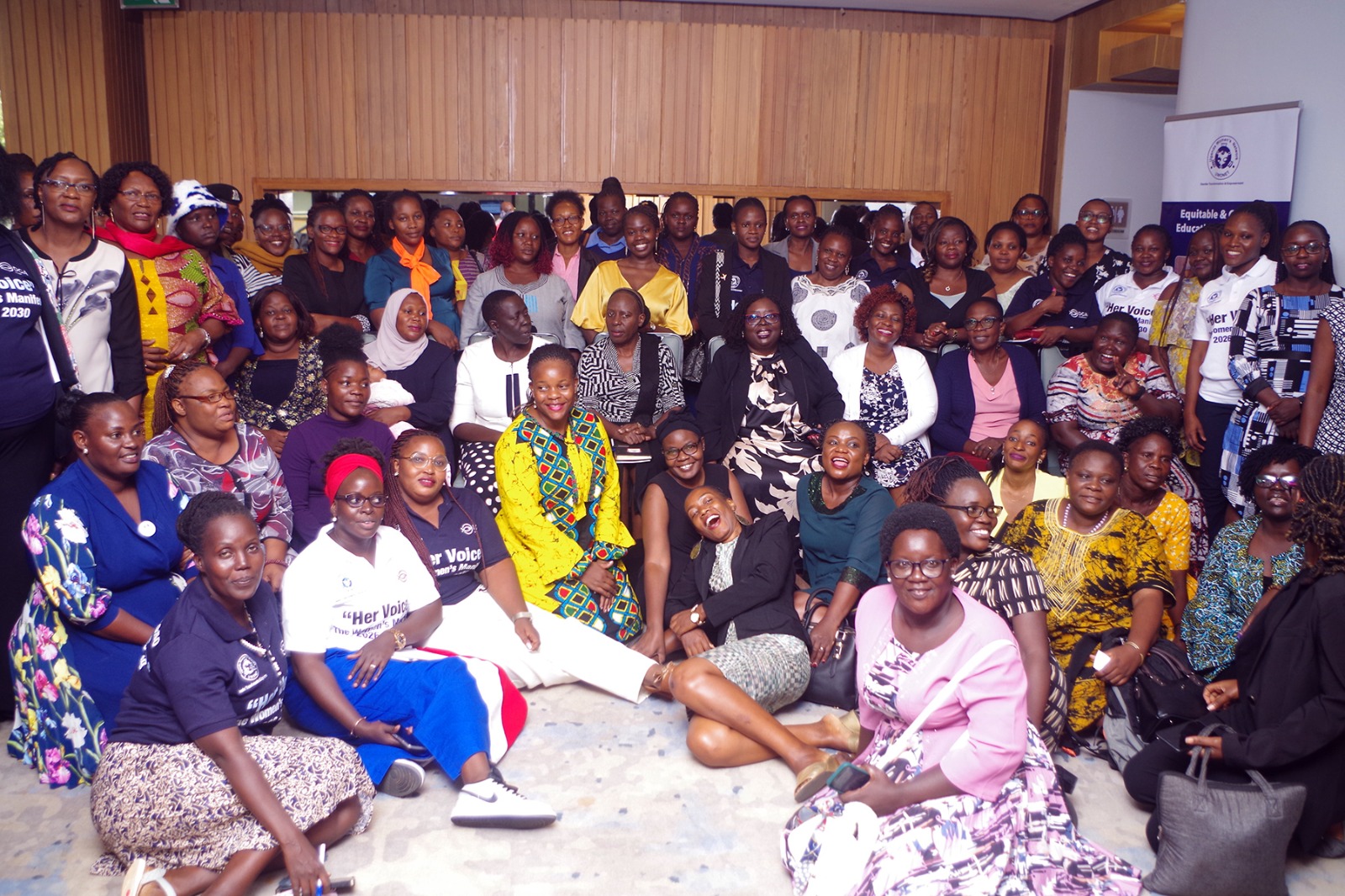
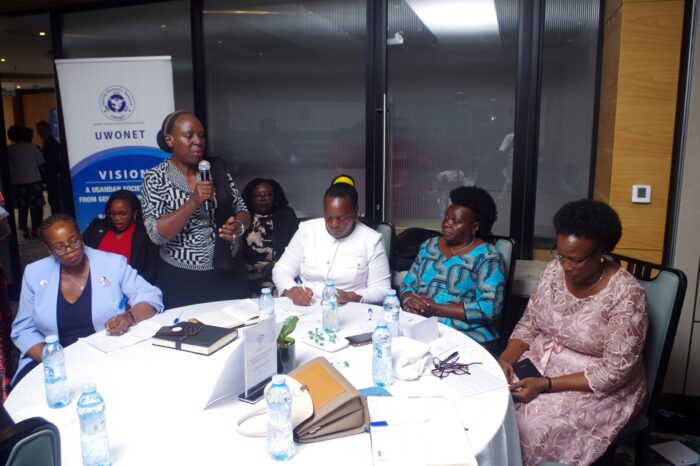
Based on this, UWONET convened a half-day event to officially launch the National Women’s Manifesto 2026–2030. The launch brought together representatives from government, development partners, civil society, women’s rights organizations, political parties, religious, cultural institutions, media, academia, the private sector, youth, and women in the private sector, amongst others.
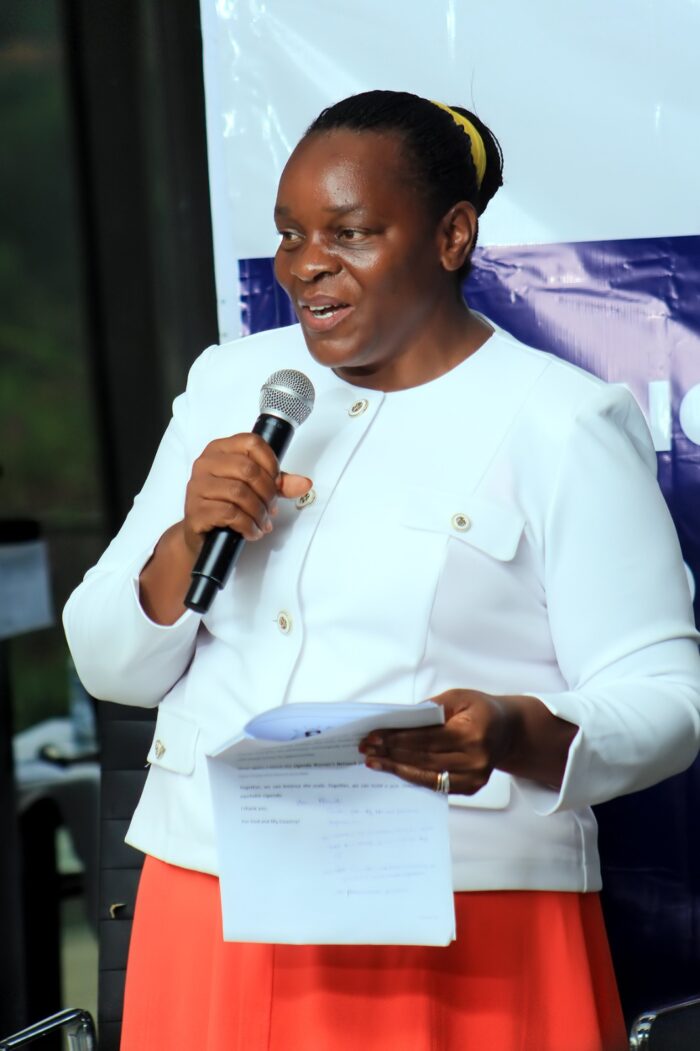
Hon. Dr. Mutuuzo Peace Regis, Minister of State for Gender and Culture Affairs, delivered a keynote
address outlining Uganda’s progress in promoting women’s rights and gender equality in social, economic, and political spheres. She highlighted legal protections like the Land Act, efforts to combat violence against women and girls, and achievements from affirmative action in national leadership. However, she noted underrepresentation of women at local government and senior civil service levels. Dr. Mutuuzo advocated for gender mainstreaming, shifting social norms starting at the household level, regular constitutional reviews, stronger political party advocacy for gender parity, gender-focused curriculum development, improved prison sanitation for women, and addressing electoral violence against female aspirants.
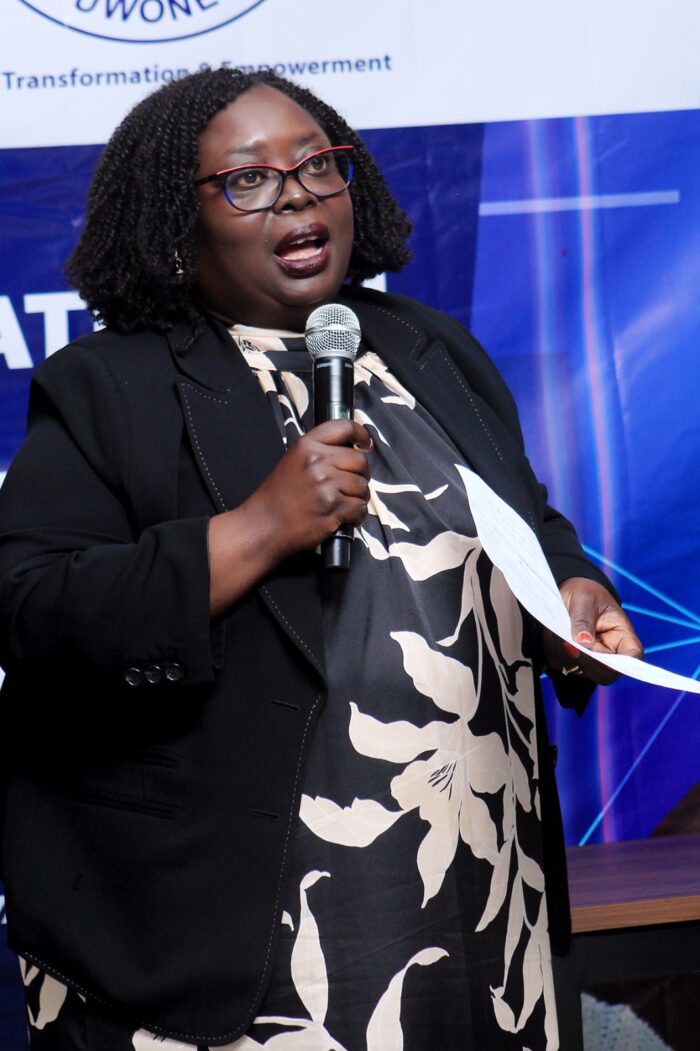
Ms. Rita Aciro – Lakor, Executive Director of UWONET, welcomed dignitaries, partners, and stakeholders to the official launch of the National Women’s Manifesto 2026–2030 emphasizing the need for collective commitment to advance the women’s rights and gender equality as a cornerstone of Uganda’s development, acknowledging both progress and ongoing challenges in areas such as political participation, economic empowerment, and addressing violence against women and girls. She reflected on the historical journey of the manifesto, which began in 1996 and has evolved each election cycle. Ms. Rita stressed that the National Women’s Manifesto is a document that will be used to amplify women’s demands, hold leaders accountable, and align national efforts with global gender priorities.
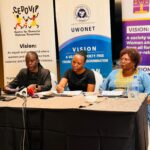
Panelists
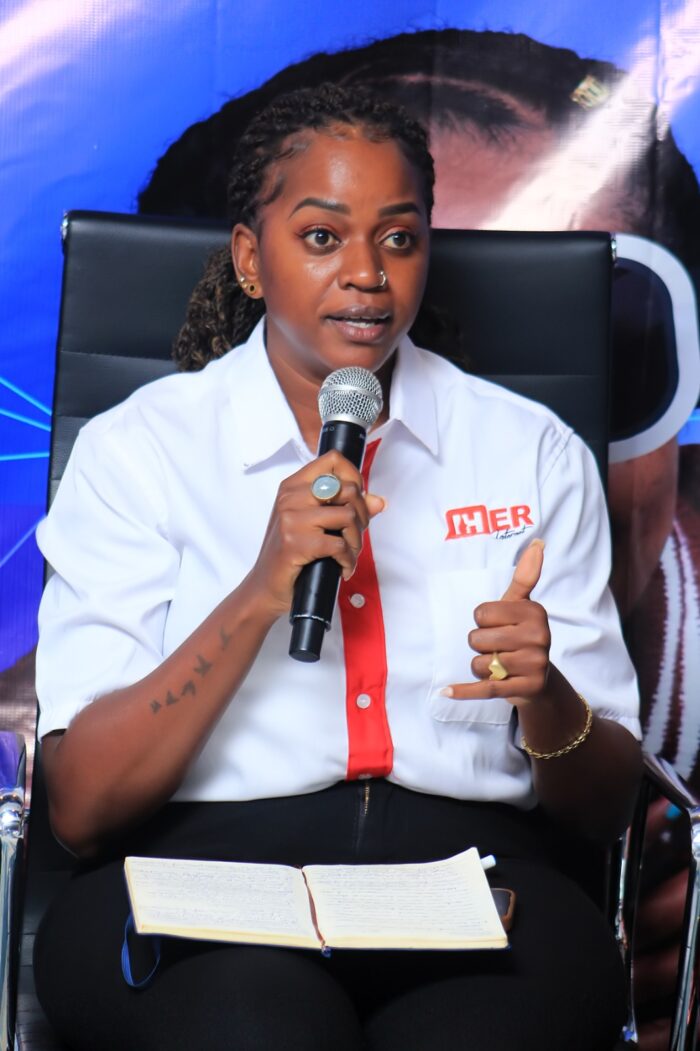
Understanding the Digital Gender Divide: Sandra
Kwikwiriza from Her Internet, a feminist led organization, noted that the digital divide for women goes beyond access; it is shaped by systemic exclusion, cultural norms, economic inequality, and safety concerns that limit women’s participation in technology. In Uganda, only 19% of women are connected to the internet, leaving many without access to critical support, health information, and opportunities. Additionally, the threat of online violence deters many women from engaging in digital spaces.
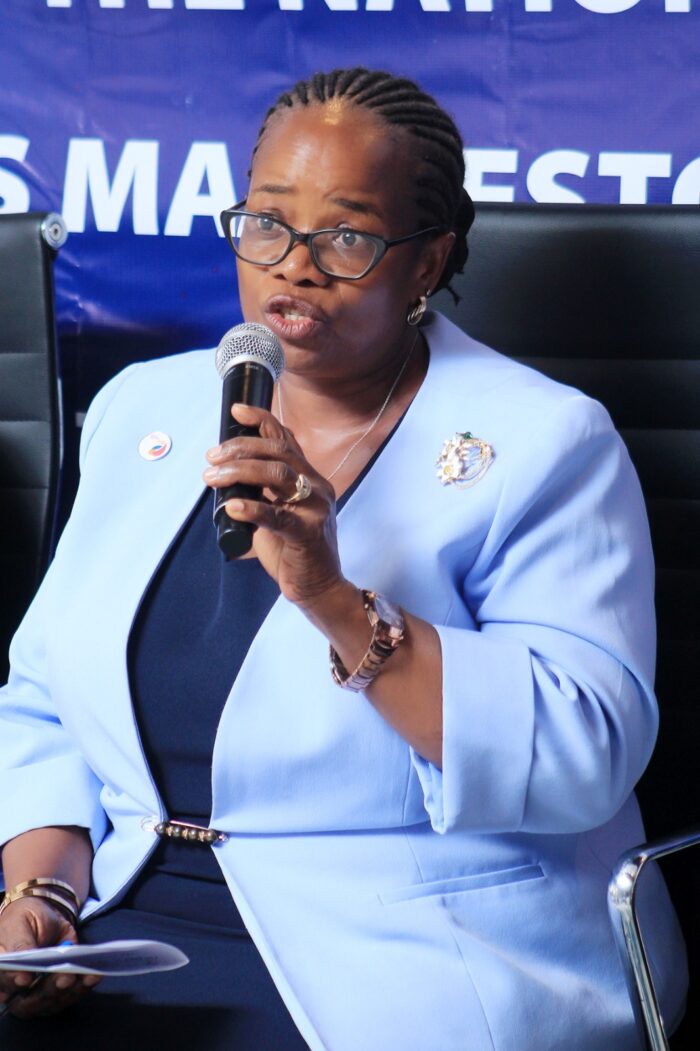
Social Norms and VAW/G: Dr. Angela Nakafeero, Commissioner for Gender and Women Affairs at
the Ministry of Gender, Labour and Social Development, provided an overview of prevailing social norms, emphasizing that many of them, especially those rooted in male superiority, are deeply entrenched and harmful to the well-being of women and girls. To reduce VAW/G, she proposed several strategies: community engagement to raise awareness, facilitating public debates to drive mindset change, promoting actions that support the wellbeing of women and girls, and supporting early adopters of positive social norms.
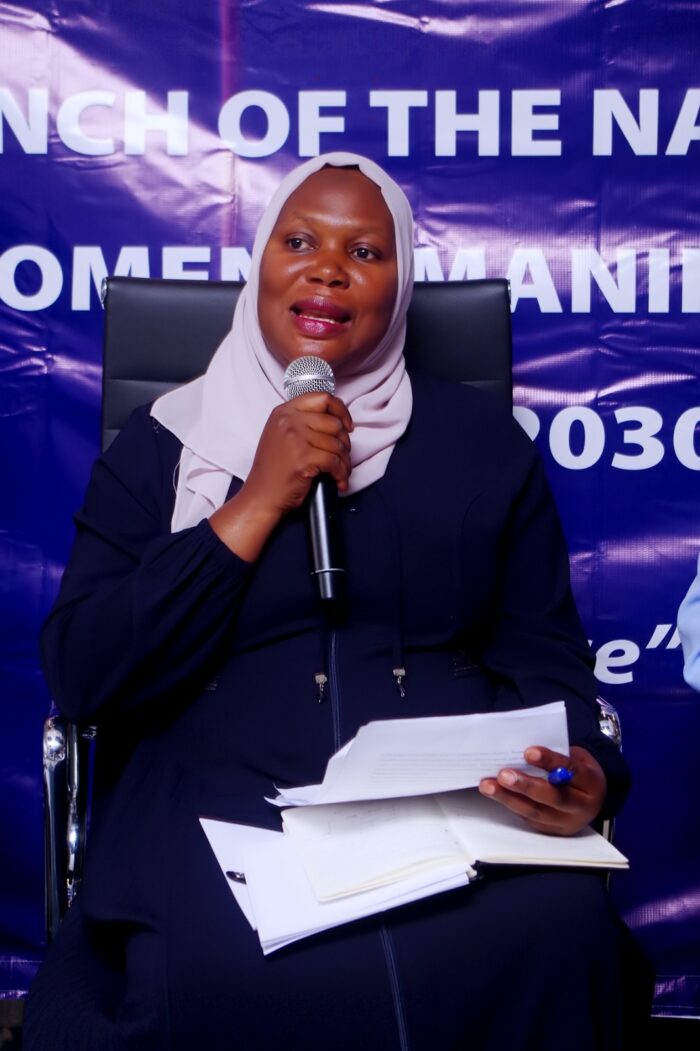
Role of women leaders in driving social change: Hon. Rashida, LCV Chairperson of Butambala District, shared her personal experiences and highlighted the challenges faced by women leaders at lower levels of leadership. These include restrictive social norms and practices, lack of representation, limited opportunities, difficulties in balancing work and personal life, inadequate mentorship for young women leaders, VAW/G during electoral processes, and the “Pull Her Down” syndrome, which fosters disunity among women leaders.
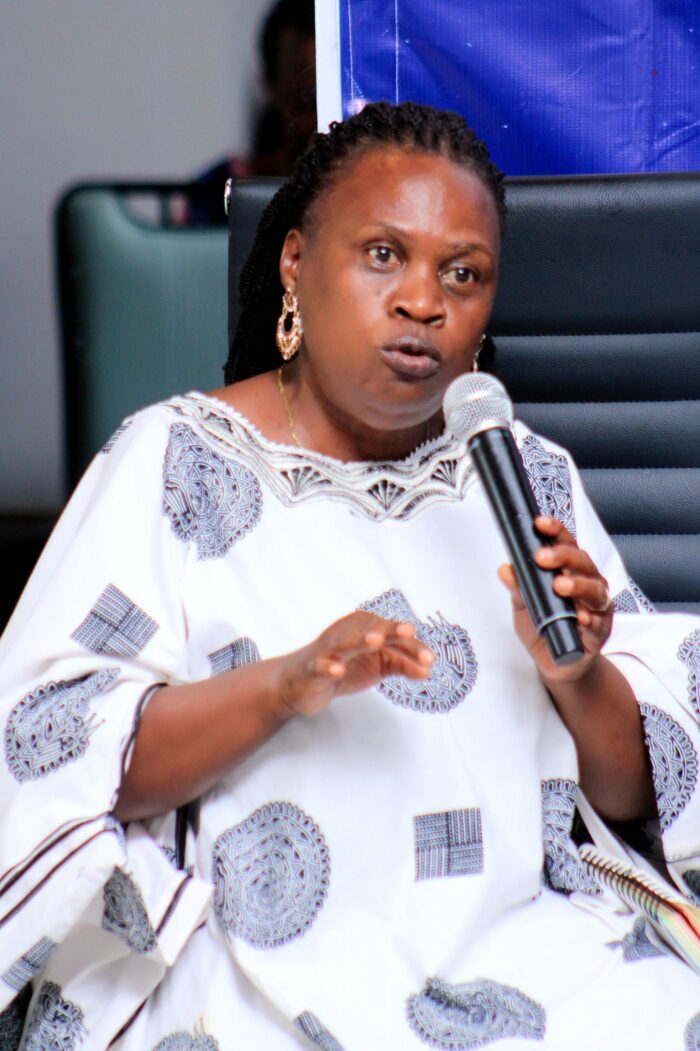
Dr. Mary Ssonko Nabachwa presented Key barriers affecting education of women and girls include low primary school completion rates, with only about
30% of students finishing this level, a shortage of female teachers, and limited parental support.
Cultural practices such as early marriages and teenage pregnancies further hinder girls’ education, while poor school infrastructure, especially inadequate sanitation and menstrual hygiene facilities, exacerbate the problem. Poverty also plays a significant role in limiting school attendance and retention.