Tag Archive: Newsletter

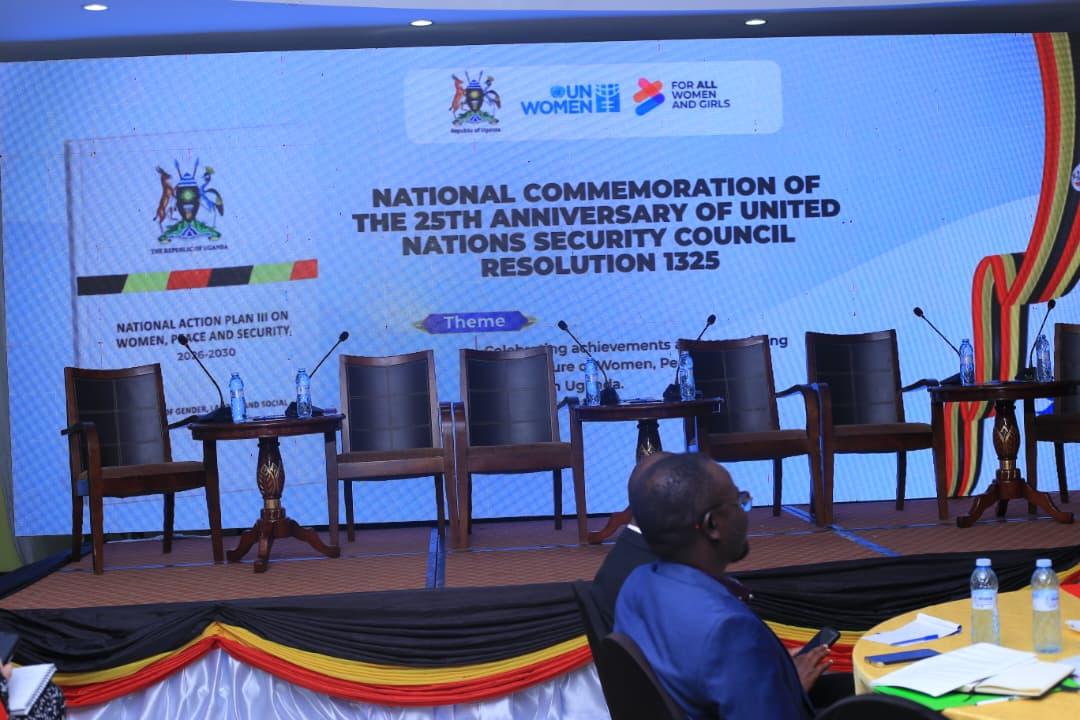
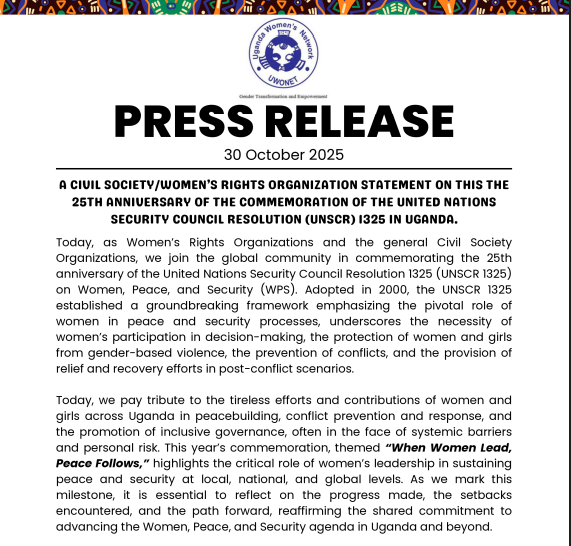
UWONET Joins National Commemoration of the 25th Anniversary of UNSCR 1325 on Women, Peace and Security

October 31, 2025    By Roland Musasizi

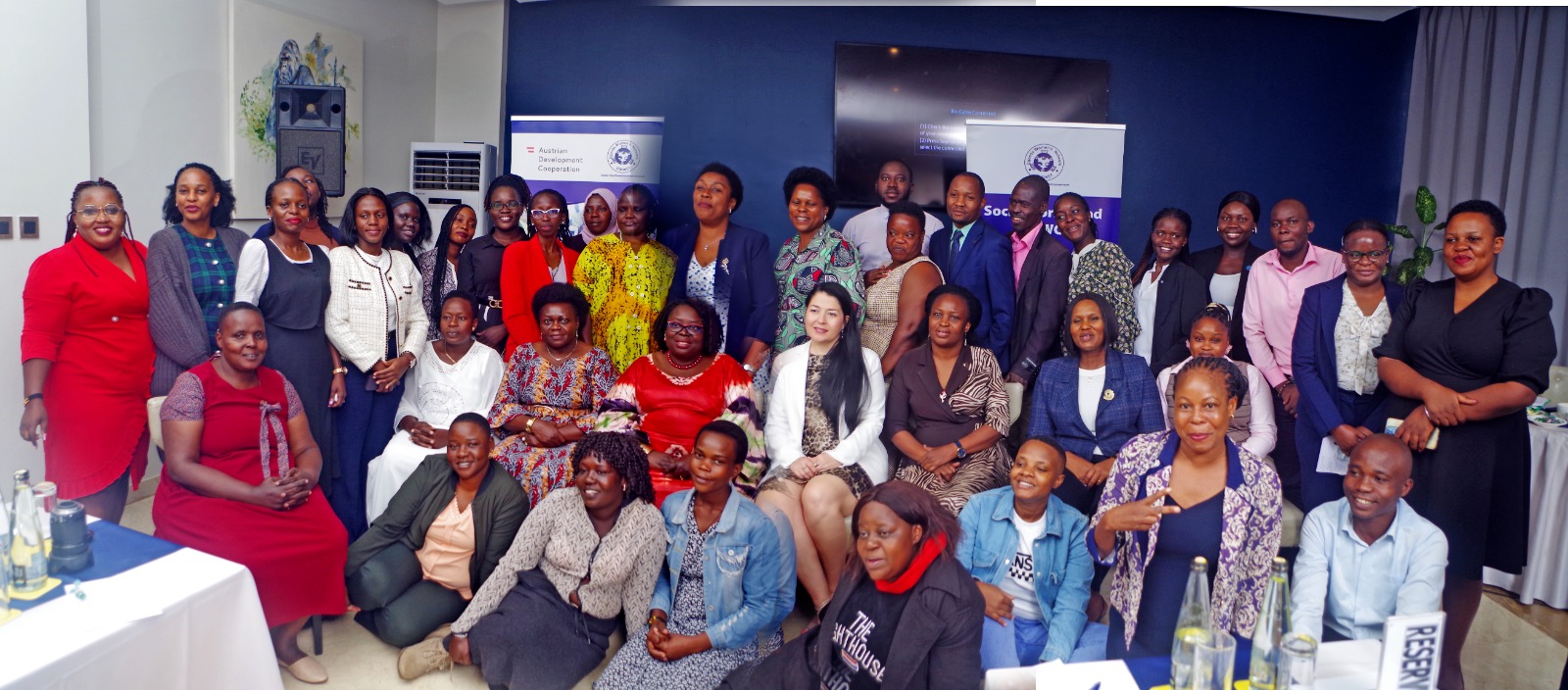
Celebrating Women’s Leadership Under the Theme “When Women Lead, Peace Follows” Today, Uganda Women’s Network (UWONET) joined the Ministry of Gender, Labour and Social Development (MGLSD) and partners to commemorate the 25th Anniversary of the United Nations Security Council Resolution 1325 (UNSCR 1325) on Women, Peace and Security. Held under... Read More

STATEMENT FOR INTERNATIONAL DAY OF CARE AND SUPPORT

October 29, 2025    By Roland Musasizi

Today, Uganda Women’s Network (UWONET) joins the global community in commemorating the International Day of Care and Support, observed every 29th of October. On this day, UWONET recognises all caregivers, particularly the women and girls of Uganda who sustain households and communities by shouldering a disproportionate share of paid and... Read More

Trauma Sensitive Approach (STA) Training

October 28, 2025    By Super Admin

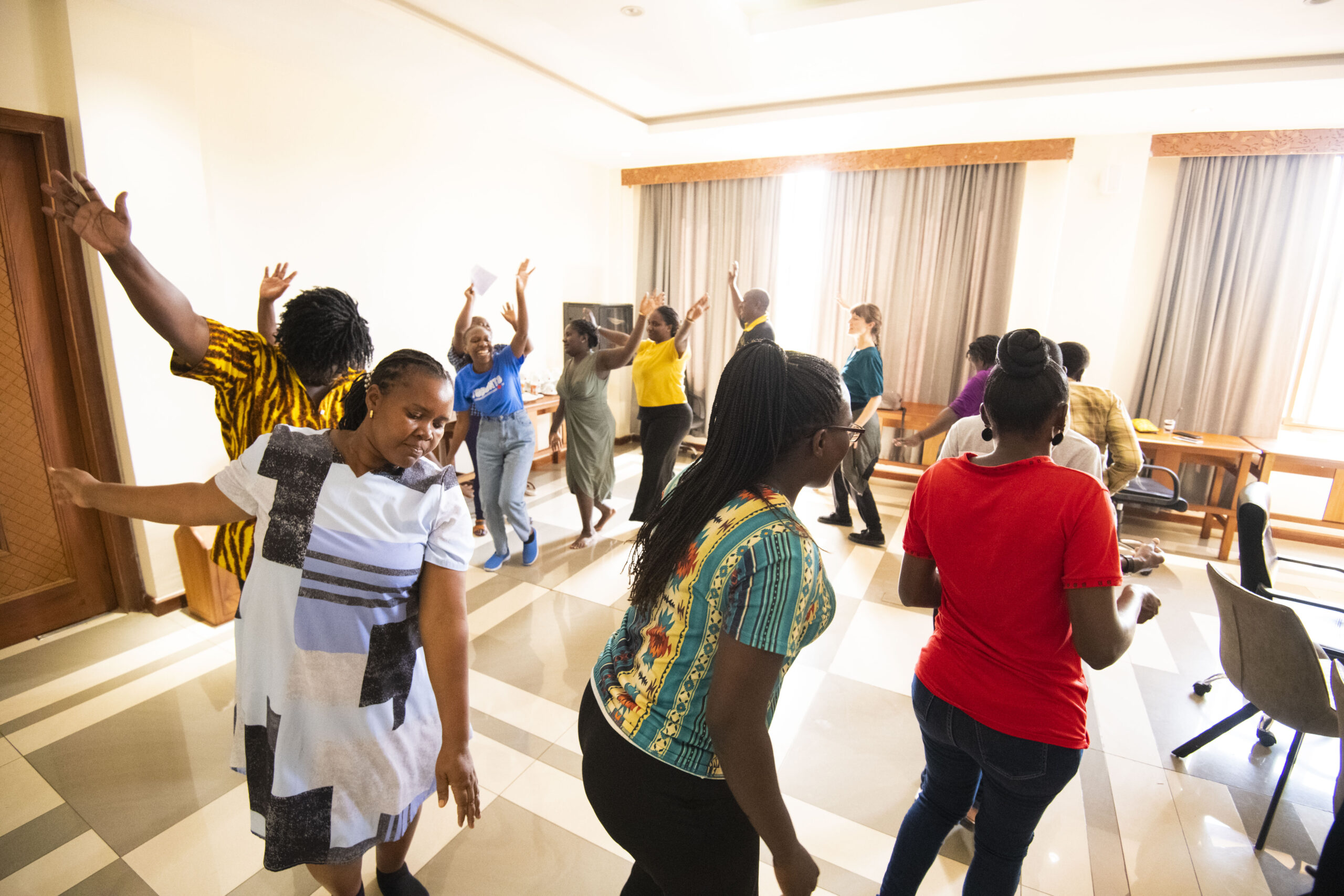
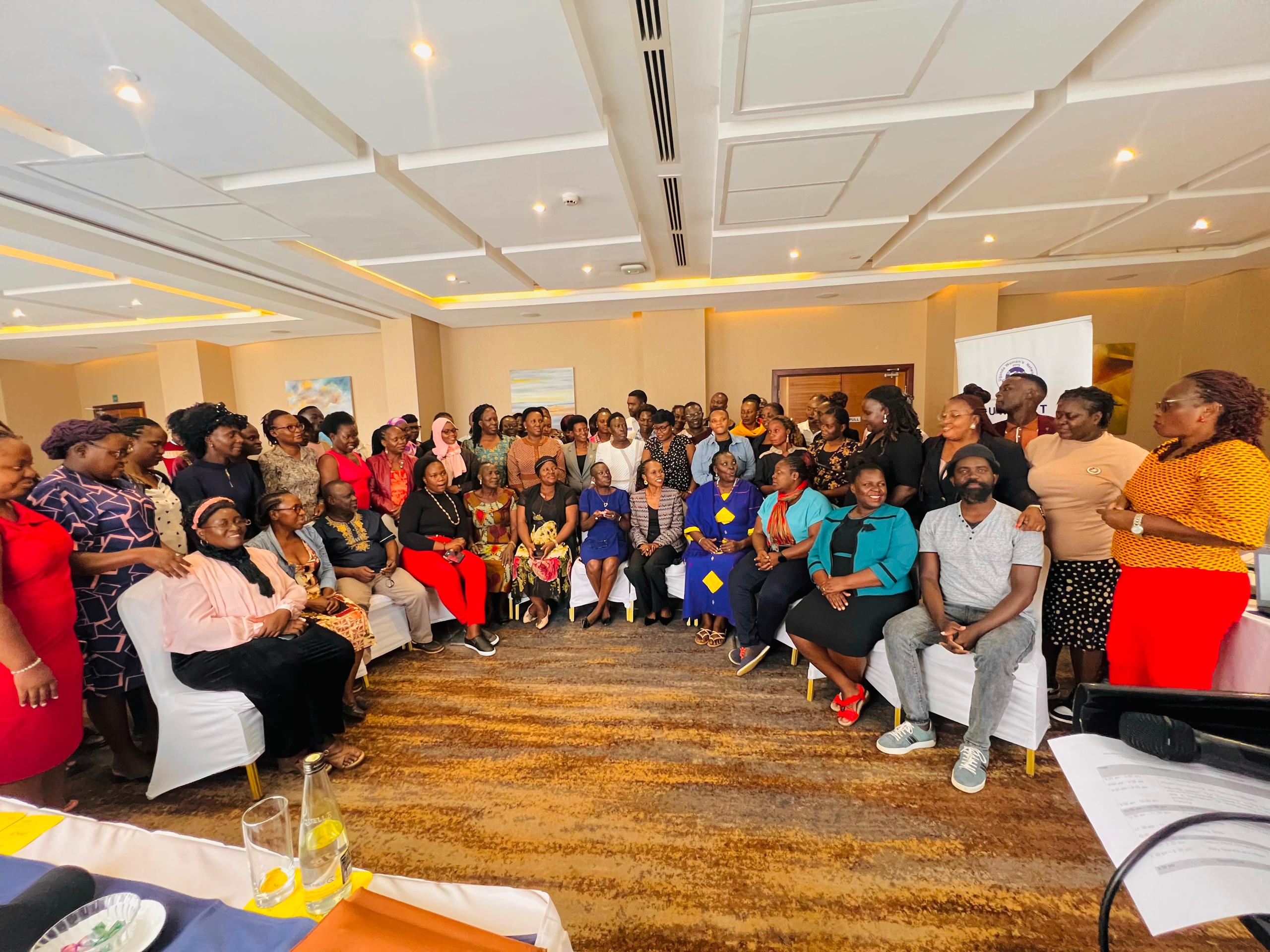
UWONET Staff working in trauma-affected environments often face high emotional demands, increasing the risk of chronic stress and secondary trauma. Under the Feminist Action Project, Medica Mondiale https://medicamondiale.org/en/ conducted a Stress and Trauma-Sensitive Approach (STA) training for staff to equip them with practical tools for self-awareness, stress management, self-care and... Read More

Strengthening Grassroots Women Rights Organizations in Northern Uganda

July 25, 2025    By Roland Musasizi

In May 2025, Ms. Rita H. Aciro, the Executive Director of Uganda Women’s Network (UWONET), conducted an intentional and strategic monitoring visit to UWONET’s implementing partners in the districts of Gulu and Nwoya. The visit was made to Mission Uganda and Invisible Hope Uganda respectively. The primary purpose was to... Read More

COLLOQUIUM ON GENDER-RESPONSIVE ACCESS TO JUSTICE

July 22, 2025    By Roland Musasizi

Access to justice is a fundamental right guaranteed under Article 8 of the Universal Declaration of Human Rights and other legal frameworks. In Uganda, women’s access to justice remains uneven despite progress in gender-sensitive services. Structural, cultural, and economic barriers especially for women in rural areas and the informal sector... Read More

VALIDATION OF UGANDA’S 10TH CEDAW ALTERNATIVE REPORT

June 10, 2025    By Roland Musasizi

On April 4, 2025, UWONET facilitated a critical validation meeting for Uganda’s 10th Alternative Report to the UN Convention on the Elimination of All Forms of Discrimination Against Women (CEDAW) was held at the Golden Tulip Hotel in Kampala. Convened by a coalition of civil society organizations (CSOs), the meeting... Read More

LAUNCH OF THE NATIONAL WOMEN’S MANIFESTO 2026–2030

June 9, 2025    By Roland Musasizi

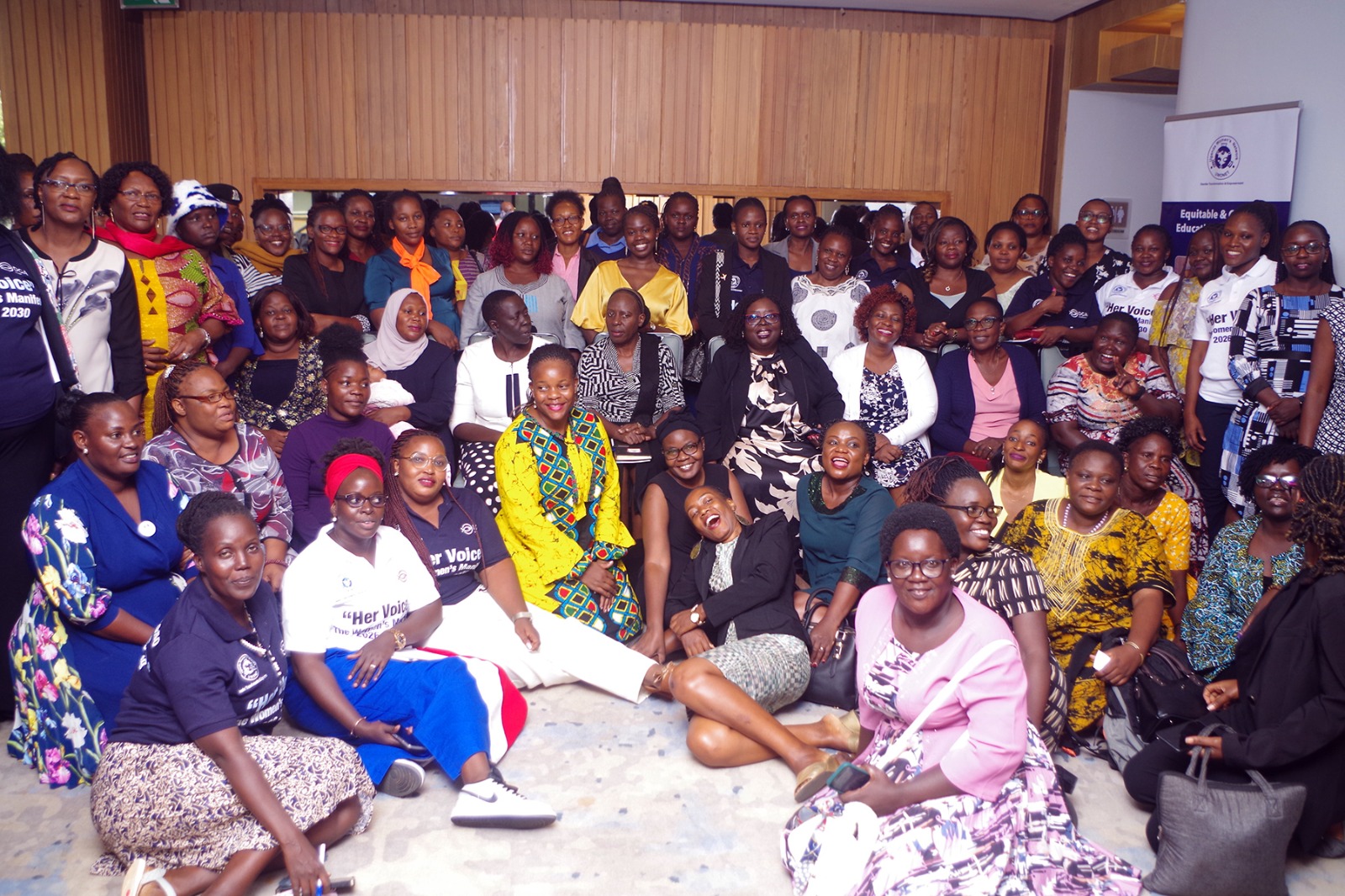
In the last three decades, UWONET has coordinated the development of the National Women’s Manifesto led by Women’s Rights Organizations (WROs) with overreaching goal of advancing Gender Equality, Women’s Empowerment (GEWE) and national development across social, political and economic spheres. The National Women’s Manifesto 2026–2030 highlights key gender concerns that... Read More

EMPOWERING GBV SURVIVORS THROUGH KITCHEN GARDENING INITIATIVE

June 9, 2025    By Roland Musasizi

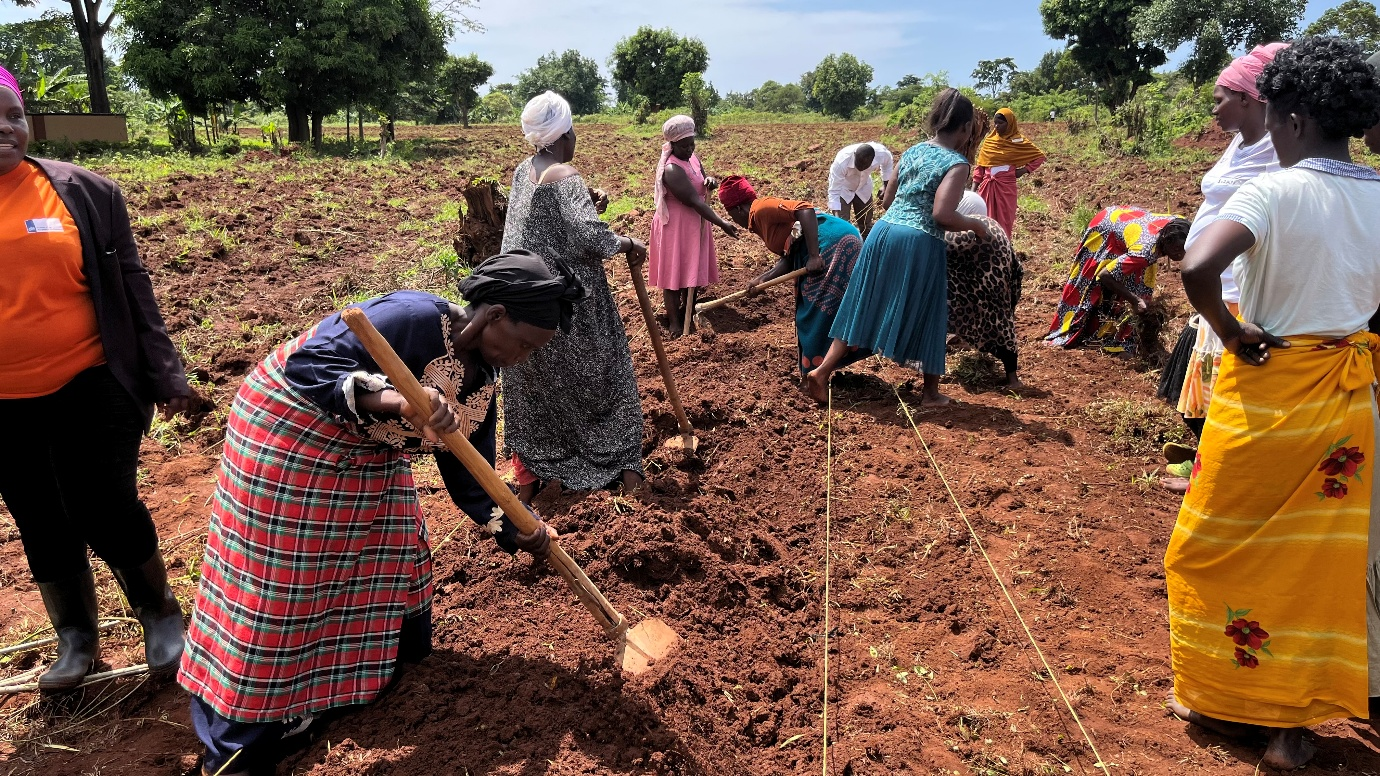
In a bid to strengthen the resilience of survivors of Gender-Based Violence (GBV) in Namutumba and Kamuli district, Uganda Women’s Network (UWONET) launched a kitchen gardening initiative aimed at promoting economic empowerment and self-reliance. The program equips survivors with the skills togrow their own food sustainably, not only for household... Read More

Using community dramas to drive change in land rights and GBV awareness

April 17, 2025    By Roland Musasizi

Community drama has proven to be a powerful tool for learnig and advocacy. In Madi Opei Sub-County (Lamwo District) and Koch Goma Sub-County (Nwoya District), UWONET facilitated community dialogues to explore the intersection between land rights, gender-based violence (GBV), and economic empowerment. Locally performed dramas were central to these dialogues,... Read More